














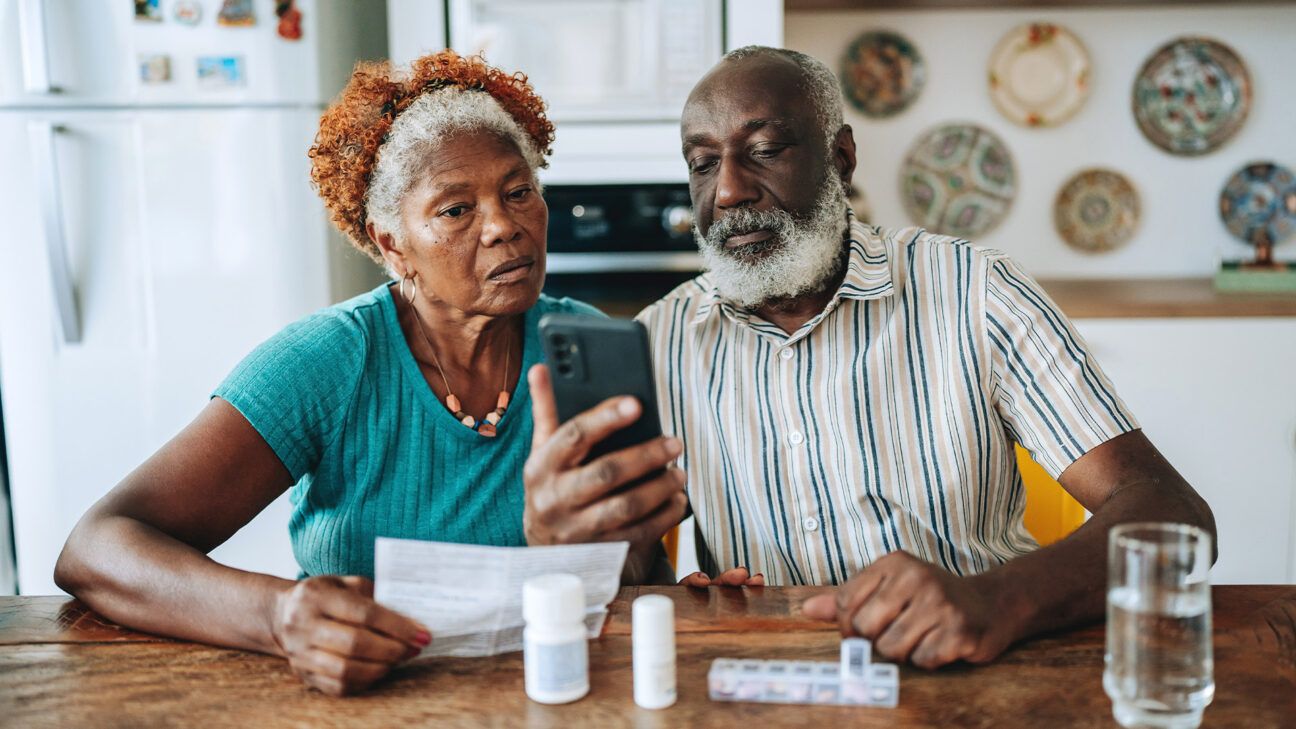
- In 2026, the annual out-of-pocket limit for Medicare enrollees on drugs covered by Part D plans will increase slightly from $2,000 to $2,100.
- Premiums may also decrease slightly as will the prices of some prescription medications.
- A payment plan enables Medicare enrollees to pay for medications in capped monthly installments, rather than paying the full cost upfront at the pharmacy.
The open enrollment period for Medicare runs from October 15 through December 7.
This eligibility window is for individuals ages 65 years and older who wish to enroll in the federally funded health program or modify their current plans.
It’s estimated that about 81% of Medicare recipients are also enrolled in Part D, which covers prescription drug expenses.
Several changes are coming to Medicare’s Part D prescription drug plans in 2026 that could potentially impact enrollees’ benefits and costs, including changes in premiums, a new out-of-pocket cap, and a drop in the number of drug plans being offered.
Here’s a look at some of the changes coming to Medicare Part D prescription drug plans.
The number of stand-alone Part D plans nationwide is expected to decrease from 464 in 2025 to 360 in 2026. Nonetheless, enrollees may see slightly lower premiums.
The Centers for Medicare & Medicaid Services (CMS) estimates that monthly premiums for stand-alone Part D plans will decline from $38 in 2025 to $34 in 2026. Premiums for Part D, which is part of Medicare Advantage plans, will drop slightly from $13 to $11 per month.
However, the annual cap on out-of-pocket expenses for Part D drugs will rise slightly from $2,000 in 2025 to $2,100 in 2026.
Last year, the annual limit replaced what was previously referred to as the “donut hole.”
A person entered this gap once their Medicare Part D plan had paid a certain amount for prescription drugs during a single coverage year. At that point, the enrollee paid more out of pocket for prescription drugs until they reached their yearly limit.
“The out-of-pocket cap for prescriptions is beneficial for those who take expensive medications,” said Kanwar Kelley, MD, a specialist in otolaryngology head and neck surgery, obesity medicine, and lifestyle medicine, and the co-founder and chief executive officer of Side Health in Orinda, CA.
“Once that mark is reached, there are no more out-of-pocket costs for those medications, providing significant relief for seniors and those suffering from chronic diseases,” he told Healthline.
Most vaccines will still be covered under Part D, and out-of-pocket cost for insulin will remain at $35 per month.
Earlier this year, however, the Trump administration decided against Medicare covering the cost of GLP-1 drugs prescribed for weight loss, such as Ozempic.
Prescription coverage for GLP-1 drugs to treat type 2 diabetes (T2D) and certain cardiovascular conditions will continue.
In addition, annual deductibles for Part D coverage are expected to increase. While the amounts can vary, the maximum any plan can charge will rise from $590 in 2025 to $615 in 2026.
Medicare officials will also continue to negotiate prices for drugs covered under Part D, which could lower some the cost of some medications.
The Medicare Drug Price Negotiation Program has identified 10 prescription drugs that will have lower prices for recipients as a result of these negotiations. The price reductions take effect January 1 and are expected to save Medicare enrollees $1.5 billion in 2026. The medications are:
- Eliquis — for blood clot prevention and treatment
- Enbrel — for rheumatoid arthritis, psoriasis and psoriatic arthritis
- Entresto — for heart failure
- Farxiga — for diabetes, heart failure and chronic kidney disease
- Fiasp and NovoLog — types of insulin for diabetes
- Imbruvica — for blood cancers
- Januvia — for diabetes
- Jardiance — for diabetes, heart failure and chronic kidney disease
- Stelara — for psoriasis, psoriatic arthritis, Crohn’s disease and ulcerative colitis
- Xarelto — for blood clot prevention and treatment
Part D enrollees will continue to be able to pay their prescription drug costs in capped monthly installments, rather than all at once at the pharmacy.
The Medicare Prescription Payment Plan was made available last year for all plans at no cost, including Medicare drug plans and Medicare Advantage plans with drug coverage.
If you choose this option, instead of paying for your drugs at the pharmacy, you will get a monthly bill from your Medicare drug plan or Medicare Advantage plan.
“The ability to spread payments over the year makes the pricing more manageable,” said Kelley. “It will hopefully curb the number of individuals who have to ration funds to afford their medication. This change will save individuals a lot of costs of acquiring their drugs and prevent worsening of their conditions due to a lack of prescription access.”
The “One Big Beautiful Bill Act” was approved by Congress and signed into law by President Donald Trump in July.
Medicare programs were not directly affected by the legislation. However, the Congressional Budget Office (CBO) reports that this spending bill may add more than $3 trillion to the national debt by 2034.
That rising deficit could trigger automatic spending cuts under “pay as you go” legislation that requires spending reductions when the national deficit reaches certain limits.
CBO officials estimate that, unless Congress takes action to address the issue, those “sequester cliff” cuts could amount to $45 billion in Medicare spending reductions in fiscal year 2026, resulting in a total of $536 billion in cuts by 2034.
If the federal government shutdown that began on October 1 lasts for an extended period of time, it could create some uncertainties for Medicare services.
For starters, the processing of claims by recipients and payments to medical providers could potentially be delayed.
“If the shutdown drags on long enough, it could eventually result in longer-than-expected processing times for non-urgent questions,” said Whitney Stidom, the vice president of consumer enablement at eHealth. “Beneficiaries enrolled in Medicare Advantage, Medicare Supplement, and Medicare Part D plans will be unaffected by a government shutdown, as long as they access support through insurance agents or private insurance companies that offer these plans.”
Telehealth services could also be impacted by the shutdown because some telehealth programs that were offered over the past several years expired on October 1 and Congress didn’t take action to renew them.
“Patients will continue to lose access to telemedicine until a new bill is passed. They can also expect administrative delays while staff is furloughed,” Kelley said.