














Often mistaken for one another, black raspberries are not the same fruit as blackberries. However, both are highly nutritious and can be enjoyed in many ways.
Given that they have a similar deep purple color and appearance, many people think that black raspberries and blackberries are different names for the same fruit.
However, they’re two distinct fruits. Keep reading to learn the difference.
Blackberries and black raspberries are often mistaken for each other because of their similar appearance. However, the two fruits have distinct flavor profiles: blackberries are more tart, while black raspberries — like red raspberries — are sweeter.
It’s hard to tell them apart when they’re on the vine. Blackberries may be thornier than black raspberries, but thornless blackberries also exist.
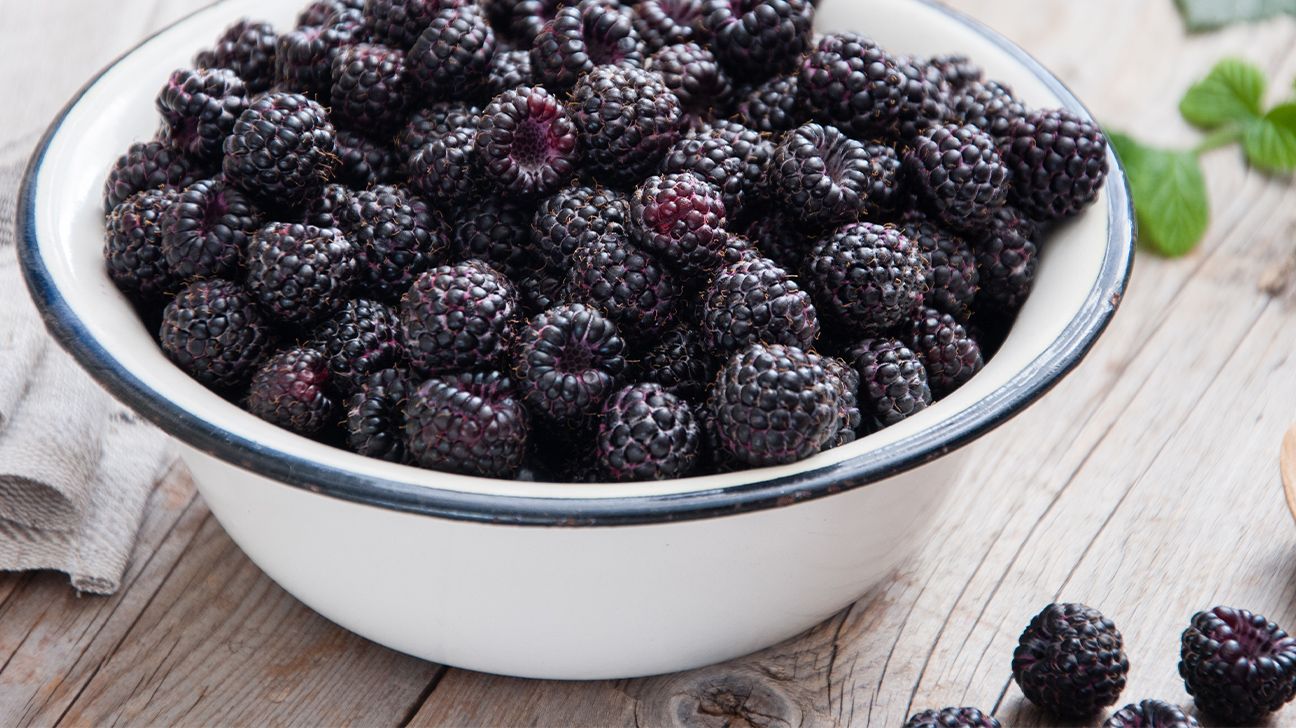
It’s much easier to tell the difference after harvesting. Simply look at the side of the fruit where it was plucked from the stem. Black raspberries leave a piece of the inside of the fruit on the stem from which they’re picked, so they have a hollow core — like a mini cup — the same way red raspberries do.
Below is a picture of black raspberries:
With blackberries, the entire fruit comes off the stem, so they’ll have a white or green core where they were attached to the stem.
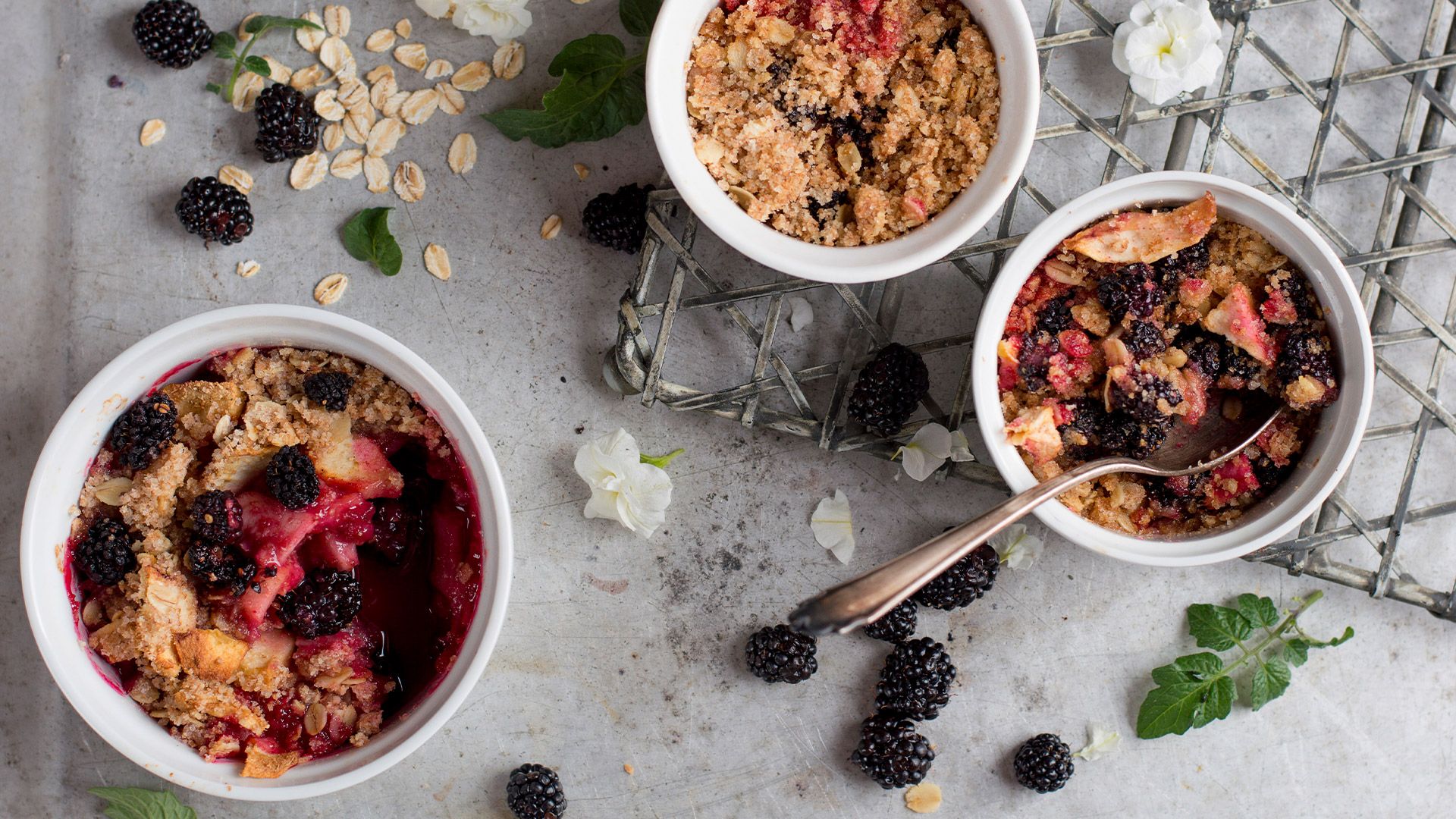
If you compare them side by side, you’ll also notice that the drupelets of blackberries are smooth and glossy, while raspberries are covered in tiny white hairs.
Below is a picture of blackberries:
Both are soft, perishable fruits, but because of their hollow core, black raspberries are softer and even more perishable than blackberries.
Black raspberries also have a very short growing season, while blackberries are more widely available year-round.
Regardless of which you pick up at the grocery store, both
Both fruits are low in calories and excellent sources of fiber, which can help
A serving of either fruit also adds a significant amount of vitamin C to your diet, which is important for
Also, like other berries, both fruits have health-promoting compounds called polyphenols.
These plant compounds have antioxidant properties, helping protect cells from oxidative damage. In doing so, they may help reduce the risk of certain chronic conditions, such as
Anthocyanins are a type of polyphenol that gives blackberries and black raspberries their inky-black color. Both fruits contain high levels of anthocyanins, which may help protect against cardiovascular and neurodegenerative diseases.
Consuming black raspberries may be associated with a reduced risk of developing type 2 diabetes and colorectal cancer.
Both of these berries are delicious when eaten fresh. Because they’re soft fruits and highly perishable, keep them refrigerated and use them within 2 to 3 days.
Fresh black raspberries and blackberries can add a pop of deep, rich color to a fresh fruit or leafy green salad, work well as a topping on oats or yogurt, or be included in a cheese platter.
Both berries are also available frozen. In fact, because black raspberries have such a short growing season, you might have more luck finding them frozen — or freezing your own.
With frozen berries, you can enjoy their flavor and health benefits
Another way to enjoy blackberries and black raspberries, whether fresh or frozen, all year round, is to make jam. Because blackberry jam is more tart, it may need a bit of extra sugar, so give it a taste before canning.
Recipes to try with blackberries and raspberries
Some recipes call for red raspberries; you can substitute black raspberries.
Although they appear very similar, black raspberries and blackberries are actually two distinct fruits.
To tell them apart, look for the telltale hole in the bottom. Black raspberries have a hollow core, while blackberries are solid.
Regardless of which one you choose, these fruits have a similar nutritional profile, and they’re packed with beneficial antioxidants that can help support your overall health.