














The Fast Facts
- A balanced diet can provide most of the vitamins, minerals, and nutrients your body needs. However, athletes may have increased needs. That’s were supplements come in.
- A healthcare professional, like a registered dietitian or sports medicine professional, can help understand which supplements could be more beneficial to you.
- Vitamins A, B, D, and E are some of the supplements discussed. Nordic Naturals, Double Wood Supplements, and Thorne are a few brands you can consider for supplement intake.
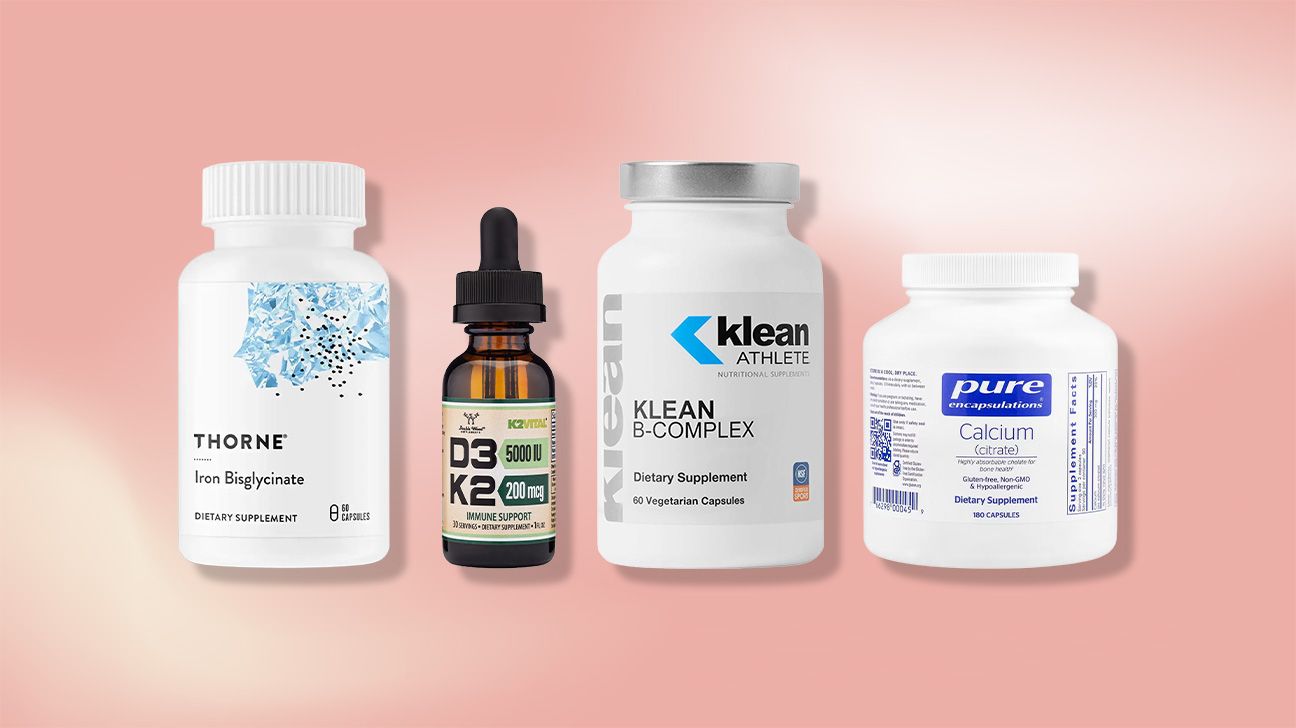
A balanced diet can usually provide most of the vitamins and minerals your body needs. However, since athletes often use extra energy throughout the day, they may have increased nutritional needs. While all vitamins and minerals play a key role in health, individual nutritional needs can vary depending on the athlete, their specific sport, and their overall health status.
Some athletes also have dietary restrictions or health conditions that make it tricky to meet their needs through food sources alone. Supplements may be a good option to help fill in the gaps, especially if suggested by a healthcare professional.
Often, a healthcare professional, such as a dietitian or sports medicine physician, can help an athlete decide which vitamins, other nutrients, and minerals to focus on. They also consider any dietary restrictions or health conditions that make it tricky to meet the requirements of your body’s vitamins and minerals. Here, supplements come in handy.
In this article, Rachael Ajmera, MS, RD, explores what makes the best vitamins for athletes and suggests some brands that may be a good fit. She also discusses taking a closer look at the most important vitamins and which factors you should consider before starting supplementation.
Vitamin A is associated with a range of positive effects. Noted
Getting enough vitamin A is especially important for competitive athletes, because intense training increases the use of oxygen, which can drive up your risk of deficiency.
Vitamin A is found in foods such as leafy green vegetables, orange and yellow vegetables, eggs, dairy, and fish. It’s common to find other foods, such as fortified snack bars or juices, that have added vitamin A.
You can also find vitamin A in capsules, pills, powders, and other supplements.
In most cases, taking a standalone vitamin A supplement is unnecessary and can increase the risk of toxicity. If you do decide to try a vitamin A supplement, talk to a healthcare professional first and avoid high dose supplements.
The B vitamins are a group of several vitamins:
- thiamin (B1)
- riboflavin (B2)
- niacin (B3)
- pantothenic acid (B5)
- pyridoxine (B6)
- biotin (B7)
- folate (B9)
- cobalamin (B12)
These vitamins
More research is needed, but some studies suggest that B vitamins may be particularly beneficial for endurance athletes. In fact, one small study found that supplementing with a vitamin B complex for 28 days improved exercise endurance performance and reduced markers of fatigue in 32 healthy adults.
While B vitamins are found in a variety of foods, people with specific or restrictive diets can sometimes benefit from supplements. For example, vitamin B12 is often found in meat. As a result, athletes who follow vegan and vegetarian diets sometimes find B12 supplements helpful to meet their needs.
However, keep in mind that it’s important to talk with a healthcare professional before you begin taking any B vitamin supplements.
Vitamin D helps the body absorb and use calcium to build stronger bones, teeth, and muscles. A lack of vitamin D can lead to weak and brittle bones, skin conditions, anemia, and other health concerns.
Vitamin D is available in some foods, including eggs, cheese, milk, and fish. Sun exposure also helps your body get this vitamin.
It’s common for people who live in certain climates or who work indoors to not get enough vitamin D. Athletes might need even more because of the higher demands on their bodies.
Additionally, some athletes may also benefit from vitamin D supplementation, as studies show that it
Although you can take vitamin D at any time of day, it’s best to take it alongside a meal to
Iron is an important mineral that
A lack of iron can cause a condition called anemia, making it difficult for your blood cells to provide oxygen to your tissues.
People with anemia sometimes experience symptoms such as fatigue and lightheadedness, which
Iron is found in many foods, including leafy green vegetables, red meat, and beans. However, it can be difficult for athletes who follow vegan or vegetarian diets to maintain healthy iron levels. A blood test can evaluate the level of iron in your blood. If you don’t have enough iron, a doctor can let you know and may suggest supplementation.
Ideally, take iron between meals and avoid pairing it with foods or drinks that can block its absorption, like tea, coffee, and dairy products.
Vitamin K helps your blood clot and can protect your body from injuries. For athletes, this can mean reduced risk of harm during competition and training.
Vitamin K also supports bone and muscle metabolism, which may be tied to increased bone density and a reduced risk of fractures.
Because of this, vitamin K might be especially beneficial for athletes in sports with a higher risk of bone fractures, like inline skating, skateboarding, and sledding.
Most people are able to meet their needs through food sources alone and supplements are usually unnecessary, unless you have certain health conditions or are taking medications that impact its absorption. Vitamin K is primarily found in leafy green vegetables such as spinach and kale.
If supplementation is recommended, a doctor can provide personalized guidance on the specific dosage and how or when you should take it.
Vitamin E is a fat-soluble vitamin that doubles as an antioxidant to support cell repair. It’s also needed to build new cells and to maintain muscle function.
Some
Vitamin E is found in foods such as nuts, seeds, fruits, and some vegetables, and most people are able to meet their needs by following a balanced diet. However, supplements
However, keep in mind that most people don’t need to take a vitamin E supplement, so be sure to check in with a healthcare professional first.
Coenzyme Q10 (CoQ10) is a nutrient found in your cells, which acts as an antioxidant and
CoQ10 has also been studied for its potential benefits for athletes specifically, including those that perform anaerobic activities like weightlifting or interval training.
In fact, one review concluded that CoQ10 supplements could boost antioxidant levels, improve anaerobic performance, and reduce markers of oxidative stress in athletes.
It’s also been shown to reduce fatigue, which could help you stay energized while you work out.
CoQ10 is produced naturally by your body and found in certain food sources, like meat, eggs, and dairy.
It’s also available as a supplement, which can be taken with food whenever it’s most convenient or as directed by a healthcare professional. Note, however, that there is no DV for CoQ10.
Not only is calcium essential for
Because calcium can be lost through sweat, competitive athletes and those doing intense workouts on a regular basis may be at a higher risk of deficiency.
Calcium is available in a variety of food sources, including dairy products, tofu, leafy greens, and fortified foods.
If you’re following a well-rounded diet with plenty of calcium-rich foods, you likely don’t need to take a calcium supplement. Additionally, some research
Zinc is an important mineral
It’s also believed to aid athletic performance by improving blood flow and boosting oxygen delivery to your cells, leading to increased strength and endurance.
According to one older review, athletes
Take zinc on an empty stomach, ideally separately from other supplements that can impact its absorption, like calcium, iron, and magnesium.
Vitamins and minerals are found in the foods we eat. For most people (and most athletes), a balanced diet provides enough of these nutrients to help your body function.
However, vitamin supplements may help athletes who have specific nutritional deficiencies or other conditions that limit their body’s ability to absorb nutrients properly. Athletes may also have increased nutrient needs, and supplements can help ensure these needs are being met.
Nutritional deficiencies may be especially harmful for athletes, and adding vitamins could be a smart choice to help treat or prevent a deficiency. A healthcare professional can help determine whether or not an athlete may benefit from vitamin supplements.
Although uncommon, side effects are possible when taking supplements, and you can take too much of a vitamin. This is called vitamin toxicity, and it can cause a range of symptoms that vary depending on the vitamin, but might include:
- nausea
- vomiting
- diarrhea
- constipation
- stomach pain
Fat-soluble vitamins — including vitamins A, D, E, and K — are especially risky, because excess amounts are stored in the body instead of excreted, which
Taking very high amounts of certain supplements has also been tied more severe health concerns. Iron toxicity, for example,
Additionally, some supplements can interact with medications. For instance, vitamin K can change how the blood thinner warfarin works.
Because supplements aren’t strictly regulated, some products could also contain inaccurate doses, harmful contaminants, or banned substances for athletes.
Keep in mind that supplementation isn’t always necessary, and most people are able to meet their nutritional needs by following a balanced and varied diet.
However, supplements may be useful if you have health conditions that impact absorption, increased nutritional needs, or other dietary restrictions that make it challenging to meet your needs through food sources alone.
Remember to talk with a doctor about any vitamins you’re considering taking. They can help you decide whether supplementation is necessary so that you can make the safest and best choice, based on your needs.
Taking vitamins can help maintain your overall health, and it can help protect against heart damage, muscle damage, and other strains that athletics can put on the body. Having better overall health is one way to help boost your overall athletic performance.
Vitamin needs are highly individual. It’s important to know which vitamins you’re not getting enough of through your diet or that you need more of because of the demands of your specific athletic activities before selecting a multivitamin.
That’s why it’s best to talk with a doctor, nutritionist, or other healthcare professional, who can help you select the right multivitamin for you.
Although certain vitamins can be helpful for athletes, supplementation isn’t always necessary. In fact, most athletes can meet their needs by following a balanced diet rich in nutrient-dense foods like fruits, veggies, and whole grains.
That said, intense training can increase your body’s demand for certain nutrients, and some athletes might struggle to meet their needs through food sources alone due to dietary restrictions, high energy requirements, or a busy lifestyle.
In those cases, supplements could help fill in the gaps, especially when taken under the guidance of a healthcare professional, such as a doctor or dietitian.
If you often feel tired, recover slowly from workouts, or find yourself getting sick more often, it could be a sign that you might be missing some key nutrients in your diet. People who have certain dietary restrictions or health conditions might also benefit from targeted supplementation to treat or prevent deficiencies.
If you’re concerned about possible nutrient deficiencies, check in with a doctor. They may offer blood tests to check your levels and can provide guidance on the specific supplements and doses that might be most beneficial.
Vitamins help our bodies function at the best level. For many people, a healthy and balanced diet provides enough vitamins.
However, athletes put additional demands on their bodies and can have increased nutritional needs. In some cases, dietary restrictions and certain health conditions can also make it challenging to meet nutritional needs through food sources alone.
Vitamin supplements — including vitamins A, C, E, and K, along with iron, CoQ10, zinc, calcium, and B vitamins — could help fill in the gaps, especially when used under the direction of a medical professional.