Pain, Patterns, and Progress: What Using a Fitness Tracker Taught Me About RA
Updated August 01, 2025
d3sign/Getty Images
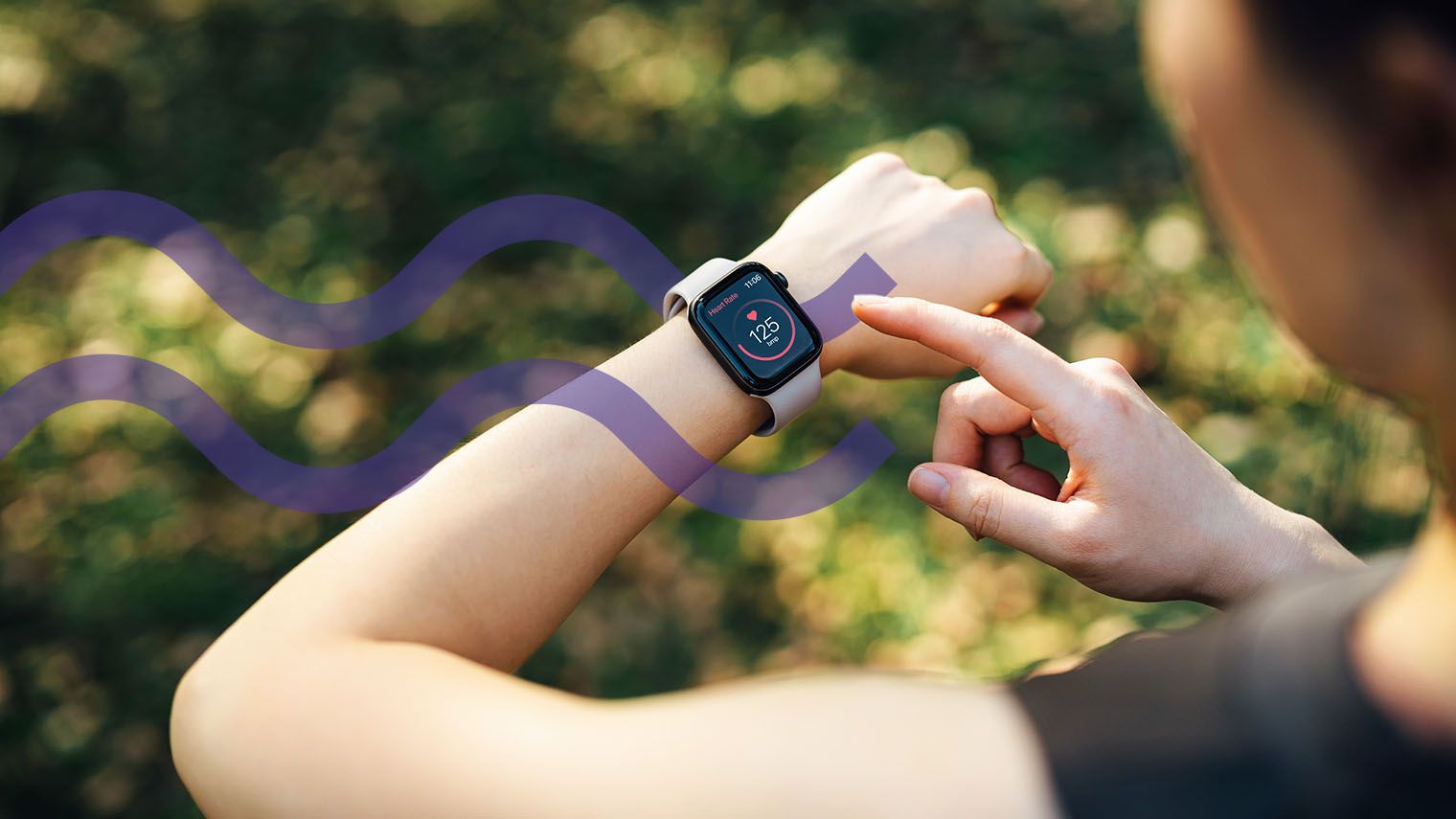
Tracking my physical activity gave me a deeper understanding of my symptoms and answered many questions I had about my overall health.
Between pain, fatigue, anxiety, depression, difficulty fighting off infections, surgeries, comorbidities, and other symptoms or side effects, physical activity can be an enormous task for someone living with rheumatoid arthritis (RA).
More often than not, I’m left wondering:
- Am I doing too much, or could I be doing too little?
- How much rest do I really need?
- What are my triggers for pain and fatigue?
- Does exercise really help rheumatoid arthritis symptoms?
- Are doctors who say exercise will help my pain telling me the truth? Or are they as lost and confused about what to do with the pain and fatigue as I am?
Before I was diagnosed with RA in 2015, I was overweight and struggling to do simple tasks like walking 5 minutes to the train station or grocery shopping around a large store.
Now, with the right biologic and consistency with exercise, I’m able to complete more steps a day than the average Canadian, who completes just 4,819 steps daily.
A 2023 study based on 3,101 adults in the United States found that individuals may receive substantial heart health benefits by managing to walk more than 8,000 steps for at least a couple days a week.
My own personal goal is to walk 10,000 steps a day, but I often beat that.
My highest recorded day was just over 27,000 steps — not bad for an arthritic girl who thought she would never get to enjoy the beauty of the Stanley Park seawall in full or who gets off an extra train station or two early just to be more active.
But how did I get here and become so in love with tracking my physical activity while living with RA?


Answers lie in research, so I got involved
When I joined the Arthritis Research Canada patient advisory board in September 2018, I wanted answers to many of the questions I had about living with arthritis.
Participating in research has given me a deeper understanding of my health outside what my rheumatologist or other healthcare professionals can give me during short and infrequent appointments.
So, I joined an Arthritis Research Canada study aimed at learning how health monitoring can help those living with RA.
As a participant in the OPAM-IA (effectiveness of Online Physical Activity Monitoring in Inflammatory Arthritis) study, I attended an in-person education session, tracked my physical activity using a Fitbit Flex, and participated in online physical activity counseling.
I used the OPERAS (On-demand Program to EmpoweR Active Self-management) app developed by the researchers, which was linked to my Fitbit, to track my activity and my symptoms.
The app is designed to help people with RA visualize how their symptoms and physical activity levels change over time, together with the treatments they are using. It also features tools for tracking medications, recording health notes, and creating action plans to help with reaching specific health goals.
The app provided me visualization with charts of my symptoms on a monthly basis, allowing me to track my progress or decline. It also had an option for printing monthly reports to show my healthcare professionals.
I learned a lot about my health
I used the app and my Fitbit to track increases in pain or fatigue to see patterns I needed to address with my healthcare team. I was also able to take note of how my menstrual cycle affects my pain, mood, and fatigue at certain times of the month.
Here’s the top three things I learned:
1. Exercise is really helpful
Tracking my activity showed me that, yes, exercise was helping with my fatigue, pain, mood, and more. This has motivated me to be even more active.
Seeing me walking more every day and setting a goal has also inspired my young son to want to walk more.
2. Tracking helps me feel organized
The OPERAS app features a health journal, which helps me feel more organized about my health with brain fog and such a complex illness.
Not only was I able to track my symptoms and physical activity, but also any changes in supplements, vitamins, and medications to see if they were working for me.
3. Good sleep is crucial
Tracking my sleep habits really showed me how sleep affects my fatigue levels during the day. It also showed how much I can handle doing and how my mood is affected if I don’t get a good night’s sleep. This is especially true on days I am dealing with higher than normal pain or stress.
What researchers have discovered so far
I was one of 118 people with RA or systemic lupus erythematosus (SLE) enrolled in the OPAM-IA study.
The results show that the program has potential to improve the time people spend in moderate-level physical activity, says Dr. Linda Li, PT, PhD, a senior research scientist for Arthritis Research Canada, who led the study.
When the team analyzed the data by diagnosis, they found significant improvement in physical activity participation and pain in people with RA but not those with lupus.
More testing is needed to understand if this enhanced self-monitoring strategy is effective for supporting self-care in people with rheumatoid arthritis, says Li.
Another study, also led by Li about the OPERAS app I used, found that use of the app helped with disease activity, fatigue, depression, and self-reported walking habits for those living with RA.
It also found that self-monitoring tools — like trackers and apps — can be even more effective when people with RA have access to physiotherapist counseling.
Exercise and RA
These studies are just some of many to suggest that exercise really can help relieve your RA symptoms.
How you can get involved and start your own fitness journey
Since being involved in this research study, Arthritis Research Canada has supported similar studies, such as this global study using OPERAS to track RA symptoms during the COVID-19 pandemic.
If you would like to take charge of your health and further advance arthritis research, you can search studies currently looking for participants on Arthritis Research Canada or the Arthritis Foundation.
You could also start your fitness and tracking journey yourself! Exercise with RA can feel daunting, but there is a host of different fitness trackers and apps available to try. Though they might not be designed specifically for RA, there is a range that can suit different needs.
If you’re a pen-and-paper type of person, you could try The Mindflight Journal to track your symptoms and exercise.
Fellow RA warrior Ali DiGiacomo is a personal trainer who specializes in modified fitness for those with chronic conditions. You can learn more about her sessions here.
Approaching exercise with kindness
Exercise can feel daunting and downright painful when you’re living with RA. Check out some of these articles to learn more about people’s experiences with different exercise types with RA, as well as some suggestions on how to get started.
How Swimming Helped Me Feel Like Myself Again After an RA Diagnosis
How Movement Became My Medicine
Try This Antirheumatic Yoga Series for Gentle Joint Support
Originally written September 23, 2020
Medically reviewed on July 18, 2025
7 Sources
Like the story? React, bookmark, or share below:
Have thoughts or suggestions about this article? Email us at article-feedback@bezzy.com.
About the author