














The Fast Facts
- Hair loss is part of the process after having a baby. It typically stops within a year.
- These postpartum hair loss products are approved by experts, and we note which ones are safe to use while breastfeeding.
- Our top picks include Nutrafol Postpartum Capsules and Women’s Rogaine Unscented 5% Minoxidil Foam.
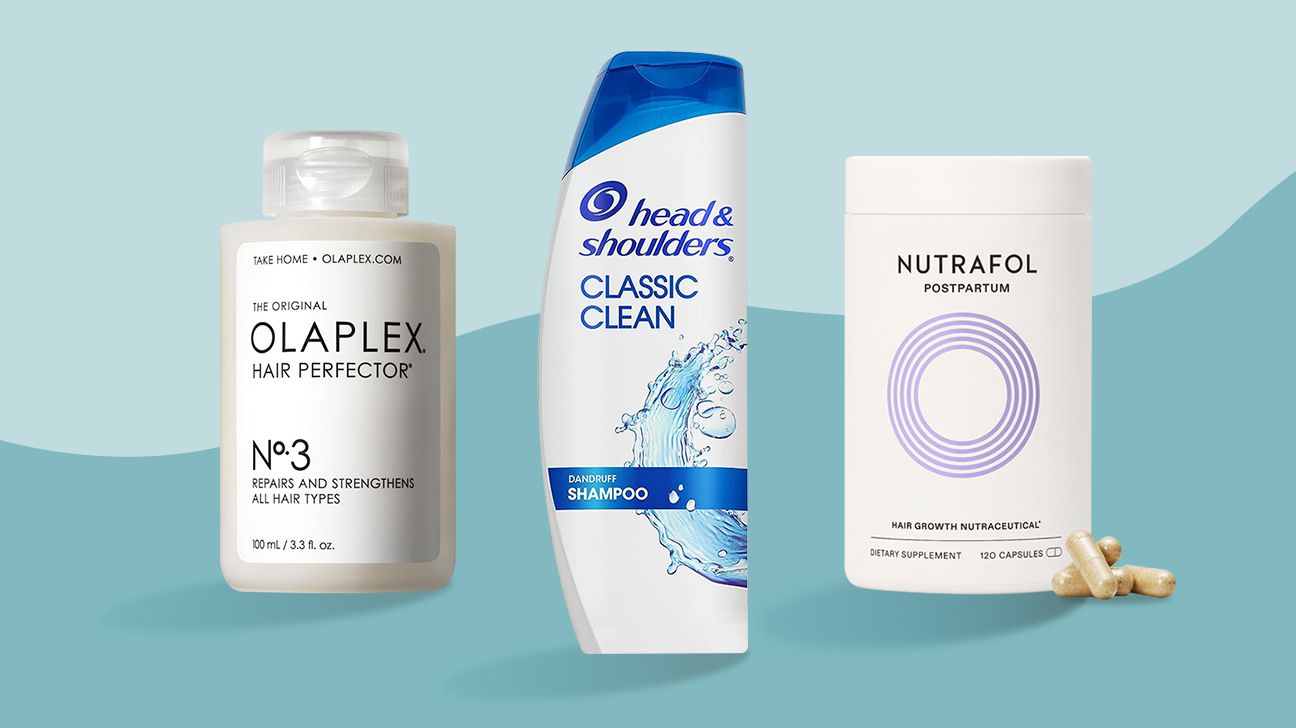
While you can’t prevent postpartum hair loss, there are a handful of products that can help set you up for regrowth.
Pricier serums and supplements can certainly be helpful, but some budget-friendly drugstore items can also help prevent breakage and promote healthy hair when you need it most.
Here are some postpartum hair loss products dermatologists may recommend for those who’ve recently given birth.
A note on safety
Oral supplements are tricky because they’re
not regulated by the Food and Drug Administration (FDA). Before taking any sort of supplement while pregnant or breastfeeding, be sure to consult a lactation specialist or an OB-GYN.
Our Medical Standards and Insights team has carefully researched and vetted over 11,000 products and services. We fact-check health claims, evaluate ingredients, and look into each brand’s reputation before sharing products and services on Healthline.
To choose the brands on this page, we considered all the vitamin brands that passed our vetting process. Then, we personally tested some of them to narrow down our list even further.
• folate
• vitamin A
• vitamin B12
• niacin
• biotin
• calcium
• iron
• zinc
• shark cartilage
• oyster extract powder
• horsetail stem
• extract
• millet seed extract
• protein)
• butyrospermum
• parkii (shea) butter
• cocos nucifera (coconut) oil
• glycerin (humectant)
• hydrolyzed milk
• protein
• silk amino acids
• lactic acid
• malic acid
• rubus chamaemorus fruit extract
Why and when postpartum hair loss happens
Many people experience thicker, shinier, and healthier hair overall during pregnancy. This is due to increased hormone levels that
“Although [people] aren’t necessarily growing many more strands of hair, they’re keeping more of them,” she said.
But that often changes around 3 to 6 months postpartum, when hormone levels decrease and those extra hairs start shedding.
Sleepless nights and stressful days spent calming a fussy newborn certainly don’t help your hair return to your baseline, either.
If you’re breastfeeding, postpartum hair loss may appear closer to the 6-month mark, notes Dr. Brendan Camp, a Manhattan-based dermatologist at MDCS Dermatology. He says this is because breastfeeding prolongs the drop in estrogen levels.
The American Academy of Dermatology suggests talking with a doctor if it’s been a year since giving birth and your hair hasn’t returned to its usual fullness.
Shedding can last for months, and it generally peaks 4 months after giving birth, according to the American Academy of Dermatology. Most people will see an improvement within the first year of giving birth.
However, there is a distinct difference between postpartum hair loss (telogen effluvium) and shedding due to your estrogen level dropping.
Telogen effluvium is a type of hair loss that most commonly causes non-scarring alopecia. It results from a stressful event like surgery, a serious illness, or childbirth. It’s quite different than shedding caused by a drop in estrogen levels.
“Estrogen levels naturally fluctuate throughout the menstrual cycle, and a drop in estrogen levels can cause the hair to enter a resting phase and shed, which is typically less severe than postpartum hair loss and occurs on a regular cycle,” Vallecillos said.
While both can result in hair shedding and thinning, postpartum hair loss is typically more severe and can last for several months.
“Shedding due to a drop in estrogen levels as a consequence of the menstrual cycle, conversely, is self-limiting, much less severe, and resolves quickly when estrogen levels normalize,” Vallecillos said.
How telehealth can help
If you’re still experiencing hair loss or no improvement after a year, online services such as Hers can pair you with a healthcare professional who can evaluate your symptoms, determine whether there is another underlying cause, and prescribe medications if necessary.
Topical minoxidil may be one option. While generally considered safe while breastfeeding, it’s important to tell the healthcare professional you are breastfeeding.
The other common medicated hair loss treatment, finasteride, is not recommended for people with vaginas.
Often, hair loss following pregnancy is not really hair loss. Rather, it’s excess shedding of the hair you grew during pregnancy, according to the American Academy of Dermatology. This excessive shedding usually starts within a few months after having a baby.
How long it lasts varies, but many people see their hair return to its typical fullness and volume before or by their baby’s first birthday.
Some nutrient deficiencies are associated with reduced hair health. Notably, during pregnancy, it’s common to experience low iron levels.
New moms may also be low on protein, especially if they’re breastfeeding. Vallecillos explains this can directly affect hair health.
“Hair is made up of proteins, mainly keratin, which requires a variety of vitamins and minerals to support its growth and maintenance,” he said.
He recommends making sure you’re getting adequate amounts of iron, zinc, B vitamins, and vitamin D for overall health.
Dr. Marisa Garshick, is a dermatologist at Medical Dermatology and Cosmetic Surgery in New York.
She said that in many cases, postpartum hair loss is actually due to telogen effluvium, a condition in which hair falls out rapidly in response to stress.
“Telogen effluvium in the postpartum period is most likely due to the physical stress of delivery and the change in hormone levels,” she said.
“Generally, this type of hair loss is considered temporary and may occur 2 to 3 months after delivery, during which it can help to optimize any vitamin deficiencies, including iron, vitamin D, zinc, and B12, to strengthen and support overall hair growth.”
There’s no research to support that breastfeeding itself causes hair to fall out. However, research supports to association between hair loss and the postpartum period.
“People are often breastfeeding during the postpartum phase, so it’s possible the hair loss that may seem to be related to breastfeeding may simply be related to being in the postpartum stage,” Garshick said.
Postpartum hair loss may be related to hormonal changes and delivery.
There’s little to no evidence that supports taking prenatal vitamins to prevent postpartum hair loss. However, that does not mean you should not take prenatal vitamins.
When you’re pregnant, your body has drastically different needs for various vitamins, minerals, and trace elements. For example, the National Institutes of Health recommends taking folate because your body needs more folate during pregnancy. This vitamin is essential to fetal brain and spinal column development.
If you’re unsure about what to eat or what supplements to take before, during, and after pregnancy, speak with a doctor or a registered dietitian.
Experiencing hair thinning or hair loss can be concerning, especially when you’re postpartum. It can feel like a really sour cherry plopped on top of the massive hill of changes your body has endured.
There are products to help return your locks (or locs) to their typical state. And in most cases, hair loss is temporary.