













Look for lubricants with soothing and natural ingredients, such as aloe vera, and avoid glycerin, propylene glycol, sodium lauryl sulfate, parabens, and fragrance. Hormone therapies and lifestyle changes can also help with wetness.
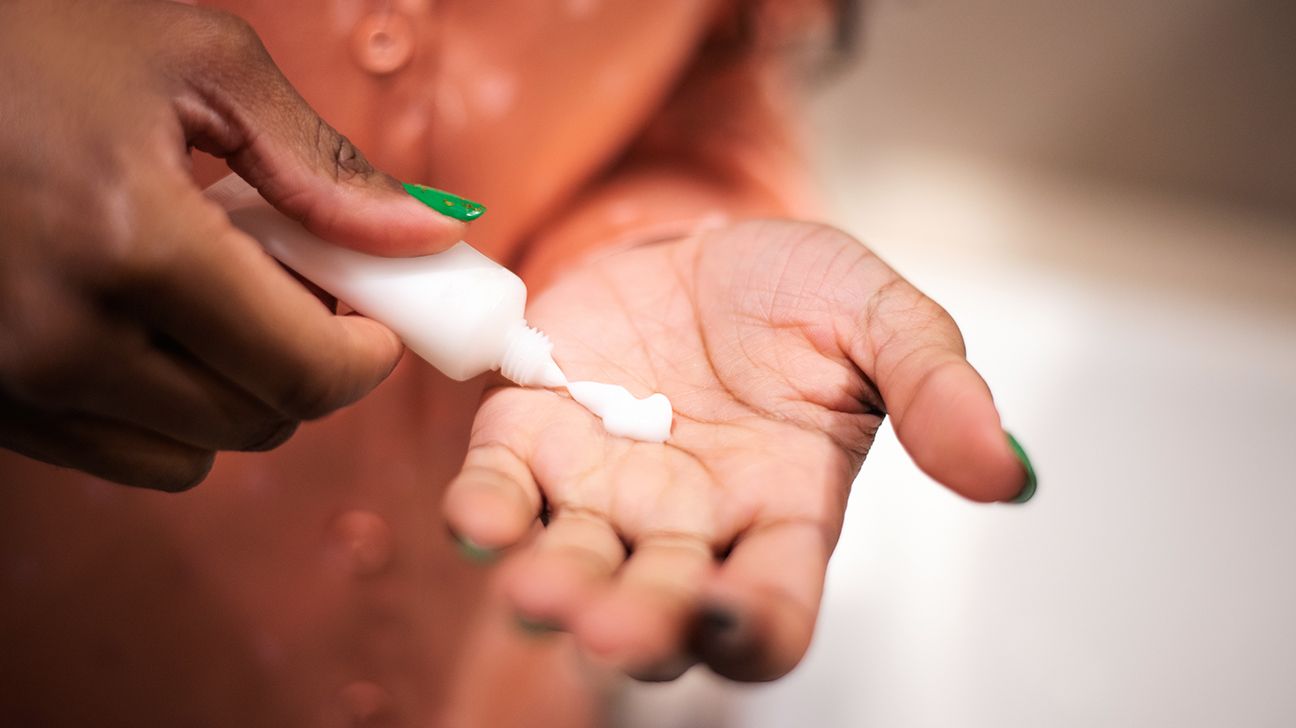
As your body adapts to changes while you go through menopause, you may notice that your vagina is drier and that sex may become more painful.
Vaginal dryness is a common symptom of perimenopause, and often worsens with time, but it isn’t something you just need to “deal with.”
Healthline aims to bolster the discourse around menopause, which is why we recently asked Stacy Henigsman, DO, MSCP, about remedies for vaginal dryness.
Water-based lubricants are generally safe and compatible with most condoms and sex toys. Look for ones with soothing and nonirritating ingredients like aloe vera and hyaluronic acid, or other natural ingredients.
Silicone-based lubricants last longer and are also safe with condoms, though they may not be compatible with silicone toys.
Some common ingredients in lubricants that you should try to avoid include:
- glycerin, which can cause yeast infections
- parabens and fragrances, which may irritate sensitive skin
- propylene glycol, which may cause irritation or allergic reactions
- sodium lauryl sulfate,which can disrupt the natural balance of bacteria in the vagina, potentially causing irritation or infection
Local hormone therapies, such as estrogen creams, rings, or vaginal tablets, can help increase vaginal lubrication, especially during menopause. Systemic estrogen (pills, gels, patches) may also help.
Vaginal moisturizers are nonhormonal options that help maintain natural moisture levels.
Vaginal moisturizers differ from lubricants as they provide long-lasting hydration to vaginal tissue and can be used regularly, not just during intercourse.
Staying well-hydrated, managing stress, and eating a balanced diet rich in omega-3 fatty acids can help improve natural lubrication.
Regular physical activity and pelvic floor exercises may also help. It’s also important to avoid smoking and limit or avoid alcohol.
Vaginal dryness can lead to discomfort, increased risk of infections, and painful intercourse. Vaginal and urinary tract infections can have serious consequences if left without proper treatment.
To protect yourself, aim to maintain good vaginal health by:
- avoiding harsh soaps and douches
- wearing breathable cotton underwear
- staying hydrated
- considering using lubricants or vaginal moisturizers regularly
If dryness persists, consult your doctor or a Menopause Society Certified Practitioner for evaluation and potential treatment options.
Vaginal dryness as you go through menopause can cause uncomfortable side effects, such as pain during sex and an increased risk of genitourinary infections.
But you can improve your vagina’s health with lubricants, estrogen therapies, vaginal moisturizers, and lifestyle changes.
If these remedies don’t provide the relief you seek, consider speaking with your doctor or a menopause specialist for their recommendations.