Key takeaways
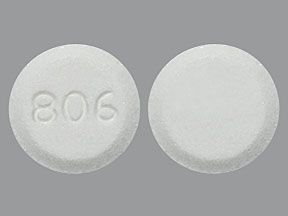
- Ivermectin oral tablet is a generic drug FDA approved for treating certain parasitic infections in humans.
- Mild side effects of ivermectin include energy loss, nausea, and drowsiness.
- Ivermectin tablet dosages vary based on body weight and the specific infection being treated.
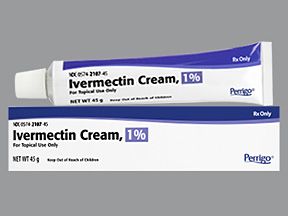
Ivermectin is a prescription drug. For human use, it comes as an oral tablet, topical cream, and topical lotion.
Ivermectin oral tablet is available as the brand-name drug Stromectol. It’s also available as a generic drug. Generic drugs usually cost less than their brand-name versions. In some cases, they may not be available in every strength or form as the brand-name versions.
Note: This article focuses on ivermectin oral tablet for use in humans. Ivermectin can also be used in certain animals, but this article does not cover use of the drug in animals.
Why it’s used
Ivermectin oral tablet is used to treat infections caused by parasites. These include parasitic infections of your intestinal tract, skin, and eyes.
How it works
Ivermectin belongs to a class of drugs called antiparasitic drugs. A class of drugs is a group of medications that work in a similar way. These drugs are often used to treat similar conditions.
Ivermectin oral tablet works by binding to parts inside the parasite. It eventually paralyzes and kills the parasite, or it stops adult parasites from making larvae for a while. This helps treat a parasitic infection.
Ivermectin can cause mild or serious side effects. The following lists contain some of the key side effects that may occur while taking ivermectin. These lists do not include all possible side effects.
For more information on the possible side effects of ivermectin or tips on how to deal with a bothersome side effect, talk with your doctor or pharmacist.
The side effects of this drug depend on the condition being treated.
The more common side effects of this drug when it’s used to treat intestinal infections include:
- tiredness
- abdominal pain
- loss of appetite
- nausea
- vomiting
- diarrhea
- dizziness
- sleepiness or drowsiness
- itchiness
The more common side effects of this drug when it’s used to treat skin and eye infections include:
- joint pain and swelling
- swollen and tender lymph nodes
- itchiness
- rash
- fever
- eye problems
If these side effects are mild, they may go away within a few days to a couple of weeks. If they’re more severe or do not go away, talk with your doctor or pharmacist.
Serious side effects
Call your doctor right away if you have serious side effects. Call 911 if your symptoms feel life threatening or if you think you’re having a medical emergency. Serious side effects and their symptoms can include the following:
- pain in your neck and back
- serious eye problems, which can cause symptoms such as:
- redness
- bleeding
- swelling
- pain
- loss of vision
- shortness of breath
- inability to control urination or bowel movements
- difficulty standing or walking
- confusion
- extreme tiredness or drowsiness
- seizures
- low blood pressure, especially when you get up after sitting or lying down, which can cause symptoms such as:
- lightheadedness
- dizziness
- fainting
- severe skin reactions, which can cause symptoms such as:
- severe rash
- skin discoloration
- skin blistering or peeling
- liver damage, which can cause symptoms such as:
- tiredness
- nausea
- vomiting
- loss of appetite
- pain on the right side of your abdomen
- dark urine
- yellowing of your skin or the whites of your eyes
As with all medications, the cost of ivermectin can vary. The actual price you’ll pay depends on your insurance plan, your location, and the pharmacy you use.
- Comparing pharmacies: The price of ivermectin oral tablets may vary depending on which pharmacy you use, so it can help to compare prices across pharmacies to find the lowest cost.
- Drug coupons: You may be able to find drug coupons on prescription discount websites that can reduce the cost of your medication. These coupons cannot be used with insurance copays or benefits, but the discounted price may be lower than what you’d pay through insurance.
- Financial assistance: Some websites provide details about drug assistance programs, ways to make the most of your insurance coverage, and links to savings cards and other services. Two such websites are:
Ivermectin can interact with several other medications. Different interactions can cause different effects. For instance, some can interfere with how well a drug works, while others can cause increased side effects.
Before taking ivermectin, be sure to tell your doctor and pharmacist about all prescription, over-the-counter, and other drugs you take. Also tell them about any vitamins, herbs, and supplements you use. Sharing this information can help you avoid potential interactions.
If you have questions about drug interactions that may affect you, ask your doctor or pharmacist.
Warfarin
Warfarin (Jantoven) is a drug used to thin your blood. Taking warfarin with ivermectin can thin your blood too much and cause harmful bleeding. If you need to take these drugs together, your doctor will monitor your blood to help ensure you’re not at risk of bleeding.
The ivermectin dosage your doctor prescribes will depend on several factors. These include:
- your age
- the condition being treated
- how severe your condition is
- other medical conditions you have
- how your body responds to the first dose
The following information describes dosages that are commonly used or recommended. However, be sure to take the dosage your doctor prescribes for you. Your doctor will determine the best dosage to suit your needs.
Drug forms and strengths
Generic: ivermectin
- Form: oral tablet
- Strength: 3 mg
Brand: Stromectol
- Form: oral tablet
- Strength: 3 mg
Dosage for parasite infection in the intestinal tract
Adult dosage (ages 18 to 64 years old)
- Typical dosage: 200 micrograms per kilogram (mcg/kg) of body weight taken as one dose. (For reference, 1 kg is about 2.2 pounds [lb].) Most people won’t need more than one dose.
Child dosage (ages 0 to 17 years old)
For children who weigh 15 kg (about 33 lb) or more:
- Typical dosage: 200 mcg/kg of body weight taken as one dose. Most children won’t need more than one dose.
It has not been confirmed that this drug is safe and effective for use in children weighing less than 15 kg.
Older adult dosage (ages 65 years and older)
If you’re an older adult, your liver may not work as well as it used to. This can cause your body to process drugs more slowly. As a result, more of this drug can stay in your body for a longer time. This raises your risk of side effects.
Dosage for parasite infection in skin or eyes
Adult dosage (ages 18 to 64 years old)
- Typical dosage: 150 mcg/kg of body weight taken as one dose.
- Follow-up treatment: You’ll likely need follow-up care from your doctor and additional rounds of treatment with this drug. Your doctor will determine when you’ll receive your next dose of ivermectin. You may be treated again in as few as 3 months.
Child dosage (ages 0 to 17 years old)
For children who weigh 15 kg or more:
- Typical dosage: 150 mcg/kg of body weight taken as one dose. Most children won’t need more than one dose.
- Follow-up treatment: Your child will likely need follow-up care from their doctor and additional rounds of treatment with this drug. The doctor will determine when your child will receive their next dose of ivermectin. Your child may be treated again in as few as 3 months.
It has not been confirmed that this drug is safe and effective for use in children weighing less than 15 kg.
Older adult dosage (ages 65 years and older)
If you’re an older adult, your liver may not work as well as it used to. This can cause your body to process drugs more slowly. As a result, more of this drug can stay in your body for a longer time. This raises your risk of side effects.
This drug comes with several warnings.
Skin problems warning
This drug may cause skin problems. The symptoms of these skin problems may look like the symptoms of your parasitic infection. Talk with your doctor if you have any severe itching, rash, or hives.
Eye problems warning
This drug may cause eye problems. The symptoms of these eye issues may look like the symptoms of your parasitic infection. Talk with your doctor if you have any issues with your eyes such as redness, pain, swelling, and vision changes.
Brain problems warning
This drug may cause serious and sometimes fatal brain problems in people with Loa loa infection (which is caused by a type of eye parasite). Before taking ivermectin, let your doctor know if you’ve recently visited West or Central Africa. If you take ivermectin and experience the following, call 911 right away or go to the nearest emergency room.
- neck or back pain
- unexplained sleepiness
- red eyes
- confusion
- shortness of breath
- difficulty standing or walking
Allergy warning
Ivermectin can cause a severe allergic reaction. Symptoms can include:
- difficulty breathing
- swelling of your throat or tongue
- skin rash
If you develop these symptoms, call 911 or go to the nearest emergency room.
Do not take this drug again if you’ve ever had an allergic reaction to it. Taking it again could be fatal (cause death).
Warnings for people with certain health conditions
For people with asthma: This drug may worsen your asthma. Ask your doctor whether this drug is safe for you.
For people with liver problems: If you have liver problems or a history of liver issues, this drug may cause more harm to your liver. Also, you may not be able to process this drug well. This may increase the levels of the drug in your body and cause more side effects. Ask your doctor whether this drug is safe for you.
For people with seizures: This drug may cause seizures. Ask your doctor whether this drug is safe for you.
For people with HIV: If you have HIV or a condition that causes your immune system not to work as well as it should, one dose of this drug may not be enough to treat your parasitic infection. You may need several treatments with this drug.
Warnings for other groups
For pregnant people: Talk with your doctor if you’re pregnant or planning to become pregnant. This drug should only be used if the potential benefit justifies the potential risk.
Research involving animals has shown adverse effects to the fetus when the pregnant animal takes the drug. There have not been enough studies involving humans to be certain how the drug might affect the fetus.
If you become pregnant while taking this drug, call your doctor right away.
For people who are breastfeeding: Ivermectin passes into breast milk and may cause side effects in a child who is breastfed. Talk with your doctor if you breastfeed your child. You may need to decide whether to stop breastfeeding or stop taking this medication.
For older adults: Your liver may not work as well as it used to. This can cause your body to process drugs more slowly. As a result, more of this drug can stay in your body for a longer time. This raises your risk of side effects.
For children: It has not been established whether this drug is safe and effective in children who weigh less than 33 pounds (15 kilograms).
Ivermectin oral tablet is used for short-term treatment. It comes with serious risks if you do not take it as prescribed.
If you stop taking the drug suddenly or do not take it at all: Your parasitic infection will not be cured.
If you take too much: This is not likely because you’ll probably take this drug one time only, as a single dose. However, if you take too much or your dose is too high, you could have harmful levels of this drug in your body. Symptoms of an overdose of this drug can include:
- skin rash or itching
- swelling
- headache
- dizziness
- weakness or loss of energy
- nausea, vomiting, or diarrhea
- abdominal pain
- shortness of breath
- tingling or a feeling of pins and needles
- inability to control your body movements
- seizures
If you think you’ve taken too much of this drug, call your doctor or local poison control center. If your symptoms are severe, call 911 or go to the nearest emergency room right away.
How to tell whether the drug is working: Your symptoms should lessen. Your doctor will do tests to make sure this drug is working to treat your infection.
Keep these considerations in mind if your doctor prescribes ivermectin for you.
General
- You should take this drug on an empty stomach. Take it with a full glass of water.
- You should try to take this drug at the time recommended by your doctor.
- You can cut or crush the tablet.
Storage
- You should store ivermectin at room temperature below 86°F (30°C).
- Avoid storing this medication in moist or damp areas, such as bathrooms.
Refills
A prescription for this medication is refillable. You should not need a new prescription to refill this medication. Your doctor will write the number of refills authorized on your prescription.
Travel
When traveling with your medication:
- You should always carry your medication with you. When flying, you should never put it into a checked bag. Keep it in your carry-on bag.
- You should not worry about airport X-ray machines. They cannot harm your medication.
- You may need to show airport staff the pharmacy label for your medication. You should always carry the original prescription-labeled container with you.
- You should not put this medication in your car’s glove compartment or leave it in the car. Be sure to avoid doing this when the weather is very hot or very cold.
Clinical monitoring
Your doctor will likely do certain tests during your treatment. This can help make sure you stay safe while you take this drug. These tests may include:
- Stool exam: If you take this drug for intestinal parasite infections, your doctor will do follow-up stool checks to make sure you no longer have the parasitic infection.
- Skin and eye microfilariae counts: If you take this drug for skin or eye parasite infections, your doctor will do follow-up exams to measure the number of microfilariae in your skin and eyes. Microfilariae are the young parasites that cause symptoms of the infection. If your microfilariae counts don’t decrease with treatment, your doctor may have you take another dose of this drug sooner.
- Eye exams: If you’re taking this drug for skin and eye infections, your doctor will do follow-up eye exams to make sure this drug isn’t causing serious eye problems. If it is, your doctor may choose another drug or wait longer before giving you another dose.
There are other drugs available to treat your condition. Some may be better suited for you than others. Talk with your doctor about other drug options that may work for you.
Disclaimer: Medical News Today has made every effort to make certain that all information is factually correct, comprehensive, and up to date. However, this article should not be used as a substitute for the knowledge and expertise of a licensed healthcare professional. You should always consult your doctor or another healthcare professional before taking any medication. The drug information contained herein is subject to change and is not intended to cover all possible uses, directions, precautions, warnings, drug interactions, allergic reactions, or adverse effects. The absence of warnings or other information for a given drug does not indicate that the drug or drug combination is safe, effective, or appropriate for all patients or all specific uses.