















Target these high touch surfaces to reduce your family’s risk of contracting viruses that spread through contaminated surfaces.
Picture this: You just finished washing your hands, only to grab your phone to check a message. In that instant, you’ve picked up whatever germs were lingering on the screen, and studies show there are often a lot of germs on your phone.
Cold, flu, and stomach bugs spread easily when people
While cleaning removes visible dirt and grime,
We’ve partnered with Lysol to help you figure out where to focus your efforts.
Let’s go over some of the most germ-ridden spots in the home and how to tackle them to clear illness-causing pathogens.
1. Doorknobs and handles
Doorknobs collect germs from everyone’s hands who enters or leaves the room, making them perfect transfer points for the
Use an EPA-approved disinfectant or a diluted bleach solution, and let it sit for the contact time specified on the label, which is usually 30 seconds to several minutes. Target
Disinfecting made easy
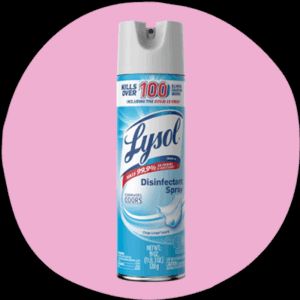
Disinfectant sprays are another simple tool you can use to help keep germs from spreading at home. Spray them on these germ hotspots during your cleaning routine.
Lysol Disinfectant Spray is a household product that can both disinfect and sanitize hard, nonporous contact surfaces as well as soft surfaces. The spray kills 99.9% of illness-causing germs, including cold and flu viruses.*
*when used as directed
*not recommended on brass, copper, or aluminum surfaces
2. Light switches
Think about how many times you flip light switches each day. Everyone in your household touches these surfaces, often with unwashed hands.
To disinfect, turn off the power if you’re worried about moisture getting into the switch, then use
3. TV remotes and game controllers
These devices are constantly passed around but rarely get cleaned. There are also various buttons and crevices where germs can hide.
To get rid of sneaky pathogens, remove the batteries first to prevent damage, then use
Consider assigning each family member their own remote or using the controls for them during illness outbreaks to prevent the spread of germs.
4. Smartphones, tablets, keyboards
Your phone likely accompanies you everywhere, picking up germs along the way. Studies show cell phones can harbor more bacteria than toilet seats.
Before disinfecting, check the
5. Kitchen appliance doors and buttons
Refrigerator handles, microwave buttons, and coffee maker controls are often touched by multiple people, particularly while preparing food or immediately before eating or drinking. This creates the perfect opportunity for germs to come into
Use food-safe disinfectants in areas where you prepare food. Wipe handles and buttons with disinfecting wipes or spray disinfectant on a cloth. Clean these daily, especially during meal-prep times. The dishwasher handle is one of the germiest spots in the kitchen, so be sure not to skip it in your routine.
6. Bathroom faucets and toilet handles
These surfaces often come into contact with germs, and people often touch them before properly washing their hands.
Use
7. Kitchen sponges and dishcloths
These cleaning tools stay damp, creating a perfect breeding ground for bacteria. A dirty sponge can actually spread more germs than it removes.
Replace kitchen sponges weekly and
8. Shared towels and bathroom mats
Damp towels and mats provide ideal conditions for germs and fungi to multiply. When family members share towels, they could easily be sharing germs.
9. Pet bowls and toys
Pet bowls can harbor harmful bacteria, like Salmonella and E. coli. Pet toys get slobbered on and then touched by family members.
Wash pet bowls daily in hot, soapy water or run them through the dishwasher. For toys,
10. Stair banisters and railings
At some point, everyone in your family grabs the railing for support, especially kids and elderly family members. These surfaces run the entire length of the stairs, providing a large surface area for germs to hang out.
Use disinfecting wipes or spray disinfectant on a cloth, working your way from top to bottom to avoid re-contaminating cleaned areas. Clean these weekly, or
Disinfecting high touch surfaces is most effective when combined with other germ-fighting habits. Here’s what to do to keep your home germ-free:
- Wash your hands regularly:
Hand washing is still your best defense. Wash for at least 20 seconds with soap and warm water, especially after coming home, before eating, and after using the bathroom. - Establish a nightly routine: Spend 5 to 10 minutes each evening wiping down the day’s hotspots. Focus on kitchen counters, bathroom faucets, and any other frequently used surfaces.
- Don’t touch your face: Your hands pick up germs throughout the day. Avoid touching your eyes, nose, and mouth unless you’ve just washed your hands.
- Replace cleaning items regularly: Sponges, dishcloths, and cleaning rags can harbor germs even after use. Replace or thoroughly disinfect them frequently.
- Time your cleaning right: Disinfect high touch surfaces after family members return home from work, school, or public places. This helps prevent germs from spreading through your home.
Remember that cleaning removes visible dirt, but disinfecting actually kills the germs and reduces their numbers. You don’t need to disinfect every surface in your house daily, but focusing on these high touch hotspots can significantly reduce your family’s exposure to germs.
The key is to be consistent and spend a few minutes of targeted disinfecting each day, rather than relying on an occasional deep-cleaning marathon. By incorporating disinfection into your routine, you can break the chain of transmission and help keep your family healthier.