
















Eczema flare-ups are common, but a little planning ahead can help you prevent them while traveling.
Planning a trip is a thrill, but if you have eczema, you may also be crossing your fingers that a flare-up won’t rear its ugly head during your voyage.
Eczema flare-ups can put a damper on travel. The best way to prevent them is to anticipate problems before they happen and have a plan to prevent and manage flare-ups if they arise.
We’ve partnered with Gold Bond to bring you this guide on how to avoid (and manage) flare-ups while traveling.
Travel can have a big impact on your routine and environment. Here are the main culprits of travel-related eczema flares.
Climate and weather changes
Changes in temperature, humidity, and sweating are common eczema triggers. Traveling often means going to places with a totally different environment than what your skin is used to. A cold climate, for example, likely means drier air, which can irritate the skin.
Stress and changes in routine
There’s a link between stress and higher cortisol levels (AKA the stress hormone). Cortisol, in turn, can increase your risk of eczema flare-ups. It can also lead to skin barrier dysfunction, more inflammation, and an increased risk of infections.
New irritants and allergens
New environments can expose you to allergens and irritants you might not give a second thought to in your usual routine.
Think pet dander, dust mites, harsh cleaning products, scented laundry detergents, irritating bath products, and more.
Prepare your travel toolkit
Make sure you have your favorite moisturizers on hand to keep eczema-prone skin hydrated and comfortable. A product with soothing ingredients can help calm irritation that might arise while you’re on the go.
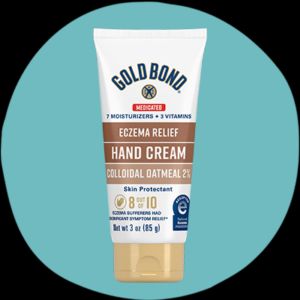
Gold Bond® Eczema Relief Medicated Skin Protectant Cream contains 2% colloidal oatmeal (the maximum strength available without a prescription*) to soothe skin and is formulated to help relieve the symptoms of eczema, including itch.**
*refers to maximum strength colloidal oatmeal available OTC
**use product as directed on the label
Thankfully, there’s a lot you can do beforehand to minimize flare-ups during your trip.
Make a plan with your doctor
Speak with your doctor before your trip to plan a course of action, including preventive measures you can take and medications and other supplies to pack in case of a flare-up.
Treat your skin extra well
The National Eczema Association recommends treating your skin with extra care in the days before your trip to help calm any flare-ups that may already be on the way. That might include:
- Taking two baths a day for extra moisturizing, making sure to apply your preferred body lotion immediately afterward
- Applying steroid creams to potential flare-up areas as directed without skipping applications
Pack a skin care travel kit
Bring the supplies you need to stay comfortable and prevent flares. Personalize your kit depending on your needs, preferences, and specific triggers.
Here are a few ideas of items to include:
- Cold compresses and towels
- Your preferred moisturizers
- Medications, including prescription and over-the-counter products
- An Epi-Pen, if your doctor has recommended one
Also consider packing 2 days’ worth of the skin care supplies you’ll need in your carry-on, just in case your checked luggage gets lost in transit.
Refill prescriptions
Consider packing double the amount of medication you think you’ll need, just in case. Keep everything in the original pharmacy packaging with the prescription details.
Research your destination
Make conscious choices to avoid your triggers as much as possible when you’re booking your accommodations, travel, and activities.
For example, if heat triggers flare-ups for you and you’re going to a warm destination, you may want to make sure your hotel has good air conditioning.
If you’re heading somewhere cold, think about protecting your skin from frigid temps and dry air. Consider wearing a non-itchy base layer of clothing and bringing gloves, for instance.
If dust mites and certain laundry detergents set off your skin, bring your own pillowcase and sheets.
Reduce stress as much as possible
Stress can have a snowball effect, making flare-ups worse. Feeling stressed about your travels can trigger eczema, and then the eczema can cause even more stress.
The National Eczema Association recommends a few key ways to reduce stress, such as:
- Using a meditation app
- Practicing deep breathing
- Listening to calming sounds or music
- Doing things with your hands (e.g., knitting) to take your mind off what’s stressing you
- Regular journaling
- Talking to a therapist
- Making sure you get enough good-quality sleep
- Getting regular exercise
Tying up loose ends well before your trip can help ease travel-related stress, too. For example, consider packing a couple of days ahead of your trip rather than doing it all the night before.
Travel-ready skin care is a must when you’re traveling with eczema. Here’s how to take care of your skin on the go.
Stick to your skin care routine
With the potential time changes, extra stress, and the unexpected curveballs that come with travel, it can be easy to forget to take care of yourself.
An eczema-friendly moisturizer can help relieve dry skin and itching, support skin healing, reduce the need for eczema medication, and prevent flare-ups from worsening.
Make sure to bring your trusted skincare essentials with you rather than relying on the soap, shampoo, and moisturizers provided at your accommodations. They may contain fragrances or other irritating ingredients that can trigger a flare-up.
Keep your skin care essentials close to you and stick to your routine as much as you can. Consider setting timers on your phone to help remind you remember when to take or reapply medications.
Moisturize in the air
Airplane air is notoriously dry. Apply moisturizer liberally and often throughout your trip.
Dress in loose-fitting, breathable clothing
The American Academy of Dermatology Association recommends avoiding tight-fitting clothing and opting for loose-fitting, 100% cotton clothing. Removing the tags beforehand can help prevent chafing and irritation.
Watch for food triggers
Carrying your go-to snacks with you can help you avoid food allergies when you’re en route.
You can also contact restaurants ahead of your visit or browse their menus online to find options that accommodate your needs so that you can relax in the moment.
Stave off insect bites
Insect bites may exacerbate eczema, so if you’re going out somewhere — like a hike in the forest or a nighttime beach walk — it’s a good idea to come prepared.
Some people with eczema don’t tolerate insect repellent, so you may want to bring a towel out with you for coverage or wear full-coverage clothing to protect your skin.
Hydrate, hydrate, hydrate
It can be tough to drink enough water when you’re traveling, not to mention that dry airplane air.
But making the effort is worth it. Research shows that staying properly hydrated may help maintain the skin barrier and prevent eczema symptoms.
Keeping your own hydration method on hand is a must. Bring your trusty water bottle and sip on repeat.
Eczema doesn’t need to put a dent in your travel plans. Come with a flexible mindset. And if you need to change plans because of a flare-up, that’s OK.
The best way to prevent eczema flare-ups when you’re traveling is to anticipate when they might occur and come prepared with tools and techniques to stop them in their tracks.