














Yes, there are medical service dogs specifically trained to help those with hearing loss. These hearing dogs are trained to “alert and lead,” helping to hear sounds and notify their person when necessary and leading them where needed.
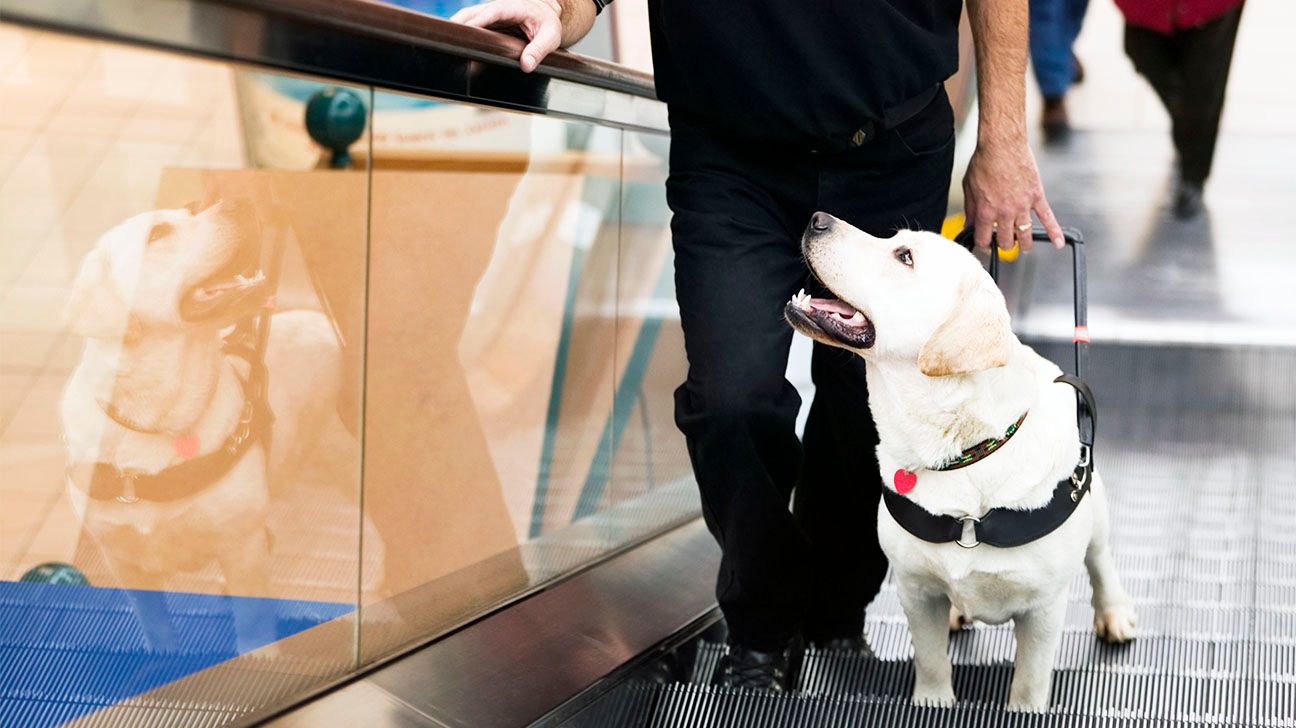
Hearing alert dogs, or hearing dogs, are trained to help their people identify sounds that someone with hearing loss might miss or not fully comprehend in the moment, keeping their human safe and even leading them where they need to go.
In some ways, these alert dogs are similar to other medical service dogs that help people with low vision and blindness, as well as those who live with chronic conditions such as diabetes, anxiety, and multiple sclerosis (MS).
Not every dog is trained ot be this type of service dog, and one medical alert dog isn’t usually able to take on specialized focus areas. That is why credible training organizations are such an important part of identifying and obtaining any medical service animal.
Like humans, dogs have a dedicated auditory cortex for interpreting sounds.
However,
Hearing dogs are specifically trained in sound work, so they’re even better at detecting sounds and helping alert in different scenarios for those who experience hearing loss. They typically alert by nudging with their nose or pawing, then leading the person to the sound.
Here are some ways these four-legged partners help those with hearing loss:
- Household safety: They can alert to smoke and carbon monoxide alarms, doorbells, or someone knocking at the door.
- Daily communication: The dogs can identify many different items around the home to help someone. This may include a ringing phone, a kitchen timer, a doorbell, or an oven or microwave beep.
- Interpersonal alerts: They are trained to recognize their person’s name and to respond when that name is called, or when a baby is crying in another room.
- Environmental awareness: When out in public, these dogs can alert to sirens, car horns, or people approaching from behind. Some are also trained to recognize audible traffic signals that might tell when to cross or stop at a busy intersection.
Research shows these hearing service dogs offer significant psychological and social benefits for their handlers. This can manifest in many ways:
- an increased sense of safety
- emotional comfort for those with hearing loss who might feel vulnerable, particularly at night if they remove hearing aids or implants
- reduced social isolation based on addressing potential misunderstandings that can occur in public
- less anxiety, in outpatient or at-home settings
People with hearing loss often experience constant hyper-vigilance to be on alert for sounds, and that can be emotionally, mentally, and physically taxing. Research shows that having a service dog take on some of that responsibility allows the handler to relax. It’s generally the same effect with other therapy dogs, even in outpatient settings.
As these medical dogs wear a service dog vest when out in public, it can act as a clear signal to other people that the handler might need different communication options — such as a speaker knowing to face the person when speaking.
All medical service dogs are protected by federal law under the Americans with Disabilities Act (ADA). They have a very specific goal for whatever condition or health issue they’re meant to serve.
For hearing alert dogs, they have a specific alert-and-lead style behavior and focus on what they do.
For example, if a smoke alert goes off in the house, a hearing dog is trained to alert their handler and then drop to the floor immediately to signal, “Danger, get out!” This is intentional, rather than leading their handler toward the fire or to a potentially unsafe place.
Costs can depend on many factors within each dog’s specialty for a medical focus. People who choose a service animal may have a reputable organization cover most of the animal’s initial training and costs, while others may face a price tag of up to $50,000.
The application process for a medical alert service dog typically involves explaining your need for a service dog and your disability. There may be a waiting period until the organization finds a dog who’s a good match and is available.
You may have to pay costs related to acquiring a medical alert service dog. These may be partially or fully covered by grants and donations, or you may have to fundraise a portion of the cost. The Hearing Loss Association of America is one resource to help understand and possibly apply for this type of service dog.
Ways to help access and afford a medical service dog
Read more at Healthline on ways to help afford and obtain a medical service dog, whether it’s for hearing loss or another health issue.
Hearing dogs are specifically trained in sound work, so they’re even better at detecting sounds and helping alert in different scenarios for those who experience hearing loss. They typically alert by nudging with their nose or pawing, then leading the person to the sound.
Research shows that medical service dogs can help people who live with hearing loss. They can also offer psychological and social benefits for their handlers.