














Key takeaways
- Regular physical activity that includes pelvic floor strengthening, deep breathing, and gentle yoga poses can help manage hemorrhoid symptoms by improving circulation, reducing strain during bowel movements, and promoting digestive health.
- Certain exercises like heavy weightlifting, prolonged cycling, and high intensity activities that increase abdominal pressure should be avoided, as they can aggravate hemorrhoids and worsen symptoms such as pain and bleeding.
- Combining exercise with lifestyle modifications such as staying hydrated, eating a fiber-rich diet, managing stress, and maintaining healthy bathroom habits can effectively treat existing hemorrhoids and reduce the risk of future flare-ups.
Hemorrhoids are inflamed, swollen veins located around or in your anus that may cause pain, itching, and rectal bleeding.
Research suggests that getting regular exercise may help relieve or prevent hemorrhoids by regulating bowel movements, improving blood circulation, and strengthening the abdominal, pelvic, and lower back muscles.
Keep reading to learn more about six exercises that can help relieve hemorrhoids, as well as home remedies and lifestyle tips you can use to manage your symptoms.

Strengthening your pelvic floor muscles may help prevent hemorrhoids by making it easier to pass stool, relaxing your anal sphincter, and preventing abdominal straining.
- Begin by lying on your back. Bend your knees, keeping your feet flat on the floor, and rest your arms by your side.
- Contract your anal muscles, as though you’re stopping yourself from passing gas, and tilt your hips up slightly.
- Hold this contraction for 5 seconds, then relax for 10 seconds. Repeat this 5 times.
- Using only half your strength, repeat this by squeezing and relaxing the muscles as fast as you can. Continue for as long as possible.
- Do this sequence 2 to 4 times throughout the day.
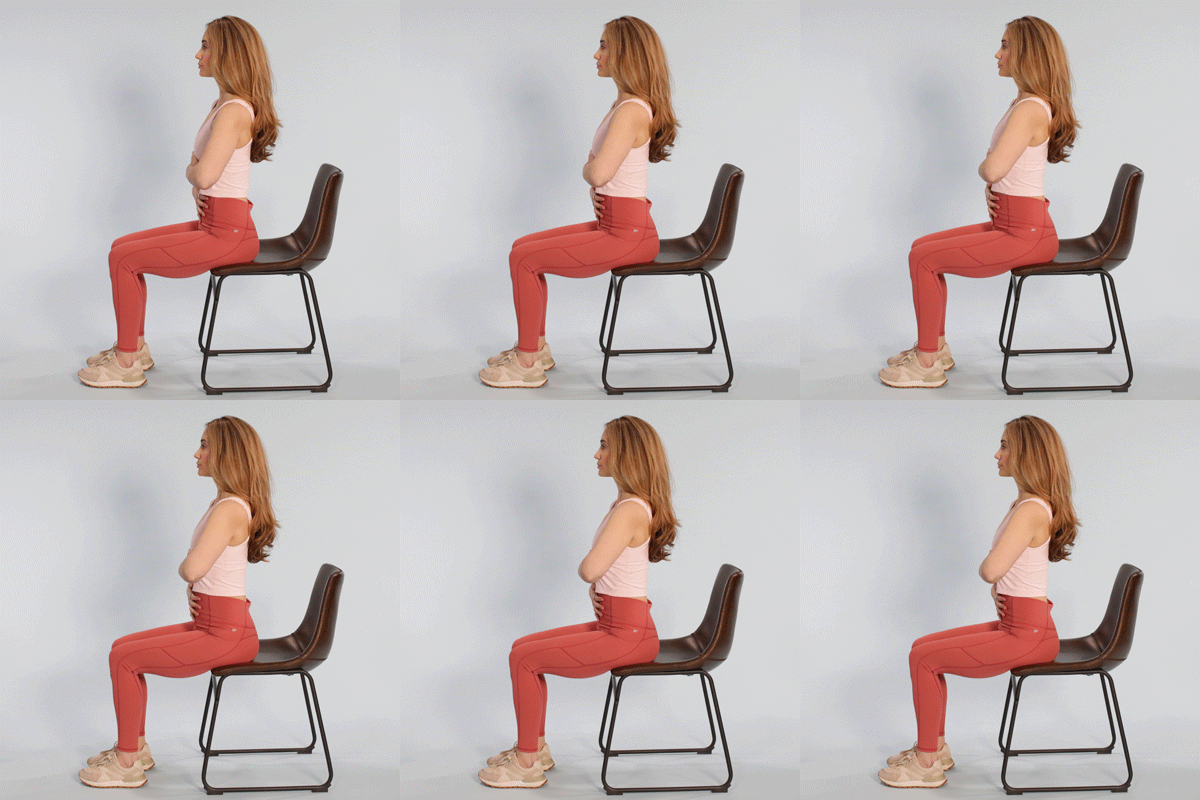
Deep breathing techniques may help alleviate pelvic floor muscle tension and promote relaxation.
- Start by sitting at the edge of a chair. Sit up straight and place one hand on your upper abdomen, just below your ribcage, and the other on the lower abdomen.
- With each inhale, breathe deeply into your abdomen, allowing your belly to expand.
- With each exhale, draw your navel toward your spine.
- Continue for up to 5 minutes.
Child’s Pose is one of the most common poses in yoga, which has been shown to help manage hemorrhoids by relieving stress, increasing circulation around your anus, and relieving constipation.
To increase the pressure on your lower abdomen, place your fists or stacked palms on this area.
- Start on your hands and knees.
- Sit back, placing your hips on your heels.
- Extend your arms in front of you or relax them alongside your body.
- Rest in this position for up to 5 minutes. Repeat up to 5 times daily.
Legs-up-the-Wall Pose may help boost circulation to your anus while alleviating discomfort and irritation.
- Start by sitting with your right side next to a wall.
- Place your legs up against the wall and lie on your back.
- Place your arms in any comfortable position or give yourself a gentle abdominal massage.
- Hold this position for up to 5 minutes. Repeat up to 5 times daily.
The Wind-Relieving Pose provides pressure to your abdomen, which can help improve digestive comfort and relax the muscles in your abdomen, buttocks, and anus.
A 2025 study in 30 people with chronic constipation found that a yoga routine that included the Wind-Relieving Pose significantly helped relieve symptoms, which are often associated with hemorrhoids.
- Begin by lying on your back.
- Bend both knees and draw them in toward your chest by placing your hands around your shins.
- Hold this position for up to 1 minute. Repeat up to 5 times daily.
To deepen the stretch, raise your head and tuck your chin into your chest.
The Bound Angle Pose may strengthen and improve flexibility in your inner thighs, groin, and knees. It can also help stimulate your abdominal organs and soothe digestive discomfort.
- Start by sitting on a cushion, block, or folded blanket with your sitting bones.
- Place the soles of your feet together and your knees out wide.
- Interlace your fingers around your pinky toes as you lengthen your spine.
- Stay in this position for up to 1 minute. Repeat up to 5 times daily.
While exercise is an important aspect of relieving and preventing hemorrhoids, some activities can trigger or worsen hemorrhoids.
In particular, it’s best to limit strenuous or high impact exercises that put pressure on your abdominals, anal area, or hemorrhoids. These activities may worsen your symptoms and cause pain, irritation, or bleeding.
Some exercises to consider limiting include:
- situps
- squats and similar movements
- weightlifting
- cycling
- horseback riding
- rowing
Several home remedies and lifestyle tips may help you treat hemorrhoids by relieving symptoms, regulating your bowel movements, and relieving stress. Some of these may include:
- exercising regularly, such as walking or swimming
- patting your anus dry instead of wiping
- sitting on a pillow or cushion, when possible
- applying a cold compress to painful areas
- taking over-the-counter (OTC) pain relievers, such as acetaminophen, aspirin, or ibuprofen
- drinking plenty of water
- eating a high fiber diet
- doing stress-relieving activities, such as meditating, exercising, and journaling
- wearing loose-fitting clothing made of natural fibers
While you can usually manage hemorrhoids on your own, it’s important to pay attention to certain symptoms that could call for a doctor’s appointment.
Consider speaking with a primary care doctor if:
- your hemorrhoids don’t get better after 1 week of treatment
- you experience bloody stools or rectal bleeding
- pus is coming out of your hemorrhoids
- you experience signs of fever, such as chills or high temperature
A healthcare professional can assess your symptoms and develop an appropriate treatment plan tailored to your needs.
Whether you have hemorrhoids for the first time or recurring flare-ups, you can manage your symptoms and prevent future occurrences with changes to your diet, exercise plan, and lifestyle.
Talk with a doctor to determine if there are any underlying causes for your hemorrhoids and to discuss an appropriate treatment plan.