The prescribed dosage for Xeljanz or Xeljanz XR may depend on your treatment plan. Your doctor will consider your medical history, the condition you’re using the drug to treat, and other factors when determining your dosage for either drug.
Xeljanz and Xeljanz XR (tofacitinib) are prescription drugs for use in certain adults to treat:
Xeljanz can also be used to treat a kind of juvenile idiopathic arthritis in certain children.
For these uses in adults and children, doctors may prescribe Xeljanz or Xeljanz XR when certain drugs haven’t worked or have caused bothersome side effects.
The active ingredient in Xeljanz and Xeljanz XR is tofacitinib. This drug belongs to a group of medications called Janus kinase inhibitors.
Xeljanz and Xeljanz XR come as tablets that you swallow. Xeljanz also comes as a liquid solution that you swallow.
This article describes the dosages of Xeljanz and Xeljanz XR, as well as their strengths and how to take these drugs.
Note: This article covers standard dosages provided by the drugs’ manufacturer. But when taking Xeljanz or Xeljanz XR, always take the dosage your doctor prescribes.
The dosages of Xeljanz and Xeljanz XR, as well as the drugs’ forms and strengths, are described here.
What are the forms of Xeljanz and Xeljanz XR?
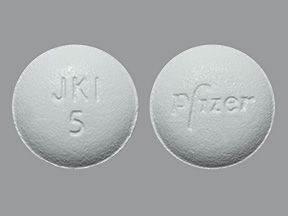
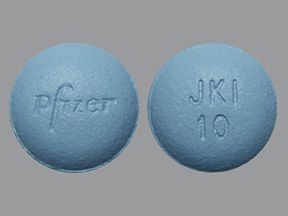
Xeljanz and Xeljanz XR come as tablets that you swallow.
Xeljanz is the immediate-release form of the drug. This means it releases the drug all at once into your body. Xeljanz XR is the long-acting form. This tablet releases the drug slowly over a certain amount of time after you take it.
Xeljanz also comes as a liquid solution that you swallow.
What strengths do Xeljanz and Xeljanz XR come in?
These drugs come in the following strengths:
- Xeljanz tablets: 5 milligrams (mg) and 10 mg
- Xeljanz XR tablets: 11 mg and 22 mg
- Xeljanz liquid solution: 1 mg per milliliter (mL)
What are the standard dosages of Xeljanz and Xeljanz XR?
The following information describes dosages that are commonly prescribed or recommended. But be sure to take the dosage your doctor prescribes for you. Your doctor will determine the best dosage to fit your needs.
Dosage for rheumatoid arthritis, psoriatic arthritis, and ankylosing spondylitis
For rheumatoid arthritis (RA), psoriatic arthritis, and ankylosing spondylitis, the dosing of Xeljanz or Xeljanz XR is the same. The recommended dosages are:
- Xeljanz: 5 mg twice daily
- Xeljanz XR: 11 mg once daily
For psoriatic arthritis, your doctor will likely prescribe another drug to take with Xeljanz or Xeljanz XR. They’ll give you dosage instructions specific to any drug they recommend taking with Xeljanz or Xeljanz XR.
Dosage for ulcerative colitis (UC)
Dosing for ulcerative colitis depends on whether you’re taking Xeljanz or Xeljanz XR to induce (bring on) remission or maintain remission. Remission refers to having few or no UC symptoms.
You’ll take an induction dosage to help induce remission. Then you’ll take an ongoing maintenance dosage to keep your symptoms in remission. The following table lists the recommended dosages for induction and maintenance.
| Induction dosage | Maintenance dosage | |
|---|---|---|
| Xeljanz | 10 mg twice daily for at least 8 weeks, up to a maximum of 16 weeks | 5 mg twice daily |
| Xeljanz XR | 22 mg once daily for at least 8 weeks, up to a maximum of 16 weeks | 11 mg once daily |
What are the dosages of Xeljanz and Xeljanz XR for children?
Xeljanz is approved to treat polyarticular course juvenile idiopathic arthritis in children ages 2 years and older. For this purpose, the drug’s dosage is based on your child’s body weight in kilograms (kg), with 1 kg equal to about 2.2 pounds (lb).
| Child’s weight | Recommended dosage |
|---|---|
| 40 kg (about 88 lb) or more | 5 mL of Xeljanz solution twice daily. A doctor may switch children in this weight category to a 5-mg tablet twice daily after starting with the solution. |
| 20 kg to less than 40 kg (about 44 lb to less than 88 lb) | 4 mL of Xeljanz solution twice daily. |
| 10 kg to less than 20 kg (about 22 lb to less than 44 lb) | 3.2 mL of Xeljanz solution twice daily. |
Xeljanz tablets are only prescribed for children who weigh 40 kg or more. Xeljanz solution can be prescribed regardless of the weight of a child.
Xeljanz XR is not approved for use in children. The manufacturer does not give dosage recommendations of Xeljanz XR for children.
Are Xeljanz and Xeljanz XR taken long term?
Yes, Xeljanz and Xeljanz XR are usually prescribed as long-term treatments. If you and your doctor determine that either is safe and effective for you, it’s likely that you’ll take it long term.
Dosage adjustments
Your doctor may lower your dosage or prescribe a dosage of Xeljanz or Xeljanz XR that’s lower than usual if you have liver problems or kidney problems. Your doctor may also adjust your dosage if you take certain other medications.
For UC, you may develop symptoms of your condition during the maintenance phase of treatment. If this happens, your doctor might temporarily increase your dosage of Xeljanz or Xeljanz XR to induce remission again.
It’s important to note that Xeljanz and Xeljanz XR both have a boxed warning about the risk of blood clots in certain people. (For more about the boxed warnings these drugs have, see “Boxed warnings” near the beginning of this article.) To lower this risk, doctors won’t prescribe 10 mg of Xeljanz twice daily or 22 mg of Xeljanz XR once daily for RA or psoriatic arthritis treatment. For UC, your doctor will prescribe the smallest and most effective Xeljanz dosage possible.
If you have symptoms of a blood clot while taking Xeljanz or Xeljanz XR, your doctor will likely recommend that you stop taking the drug.
If you miss a dose of Xeljanz or Xeljanz XR, take the dose as soon as you remember. If it’s nearly time for your next dose, skip the missed dose and take your next dose as scheduled. Do not take two doses of Xeljanz or Xeljanz XR at the same time.
If you need help remembering to take your dose on time, try using a medication reminder. This can include setting an alarm or using a timer. You could also download a reminder app on your phone.
The dosage of Xeljanz or Xeljanz XR you’re prescribed may depend on several factors. These include:
- the kind and severity of the condition you’re taking Xeljanz or Xeljanz XR to treat
- your age
- which form of the drug you’re taking
- any side effects you have
- other conditions you may have (see “Dosage adjustments” in the “What are the dosages of Xeljanz and Xeljanz XR?” section)
- body weight, in children
Xeljanz and Xeljanz XR each come as tablets that you take by mouth. If you’re taking Xeljanz twice daily, take your doses about 12 hours apart. If you take Xeljanz or Xeljanz XR once daily, you can take it at any time during the day. But try to take your dose at about the same time each day.
You should swallow Xeljanz XR tablets whole. They should not be crushed, chewed, or broken. It’s also recommended to swallow Xeljanz tablets whole. But you might be able to crush, chew, or break Xeljanz tablets, depending on whether your doctor says this is safe for you. If you have difficulty swallowing tablets, see these tips for taking this form of medication.
Xeljanz also comes as a liquid solution that’s swallowed. This form of the drug comes with a dosing syringe that’s used to measure the solution before swallowing. This form of Xeljanz is usually prescribed for children.
You can take Xeljanz or Xeljanz XR with or without food.
For information on Xeljanz and Xeljanz XR expiration, storage, and disposal, talk with your doctor or pharmacist.
Accessible drug containers and labels
If you find it hard to read the prescription label on your medication, tell your doctor or pharmacist. Some pharmacies may provide medication labels that:
- have large print or use braille
- feature a code that you can scan with a smartphone to change the text to audio
Your doctor or pharmacist may be able to recommend pharmacies that offer these accessibility features if your current pharmacy doesn’t.
If you have difficulty opening medication bottles, let your pharmacist know. They may be able to supply Xeljanz or Xeljanz XR in an easy-open container. Your pharmacist may also have some tips that can help make it simpler to open the drug’s container.
Do not take more Xeljanz or Xeljanz XR than your doctor prescribes. Taking more than this can lead to serious side effects.
What to do in case you take too much Xeljanz or Xeljanz XR
Call your doctor right away if you think you’ve taken too much Xeljanz or Xeljanz XR. You can also call 800-222-1222 to reach America’s Poison Centers, or use its online resource. But if you have severe symptoms, call 911 (or your local emergency number) immediately or go to the nearest emergency room.
Q:
Will my doctor change my dose of Xeljanz or Xeljanz XR based on certain lab test results?
AnonymousA:
It’s possible.
Your doctor will monitor your condition with lab tests regularly while you take Xeljanz or Xeljanz XR. If your test results show a change in your kidney function or liver function, it’s likely that your doctor will adjust your dosage. You may have your dosage adjusted due to other lab tests that your doctor recommends, as well.
If you have questions about what lab tests to expect during Xeljanz or Xeljanz XR treatment, you can talk with your doctor.
The Healthline Pharmacist TeamAnswers represent the opinions of our medical experts. All content is strictly informational and should not be considered medical advice.Disclaimer: Healthline has made every effort to make certain that all information is factually correct, comprehensive, and up to date. However, this article should not be used as a substitute for the knowledge and expertise of a licensed healthcare professional. You should always consult your doctor or another healthcare professional before taking any medication. The drug information contained herein is subject to change and is not intended to cover all possible uses, directions, precautions, warnings, drug interactions, allergic reactions, or adverse effects. The absence of warnings or other information for a given drug does not indicate that the drug or drug combination is safe, effective, or appropriate for all patients or all specific uses.