














Key takeaways
- Your Ozempic pen may still look full because it has extra liquid for a one-time flow check.
- To check whether you have another dose, turn the dose selector. If it stops at your full dose, you have another dose. If not, switch pens.
- Never try to draw out leftover liquid with a syringe. The extra isn’t meant to be used.
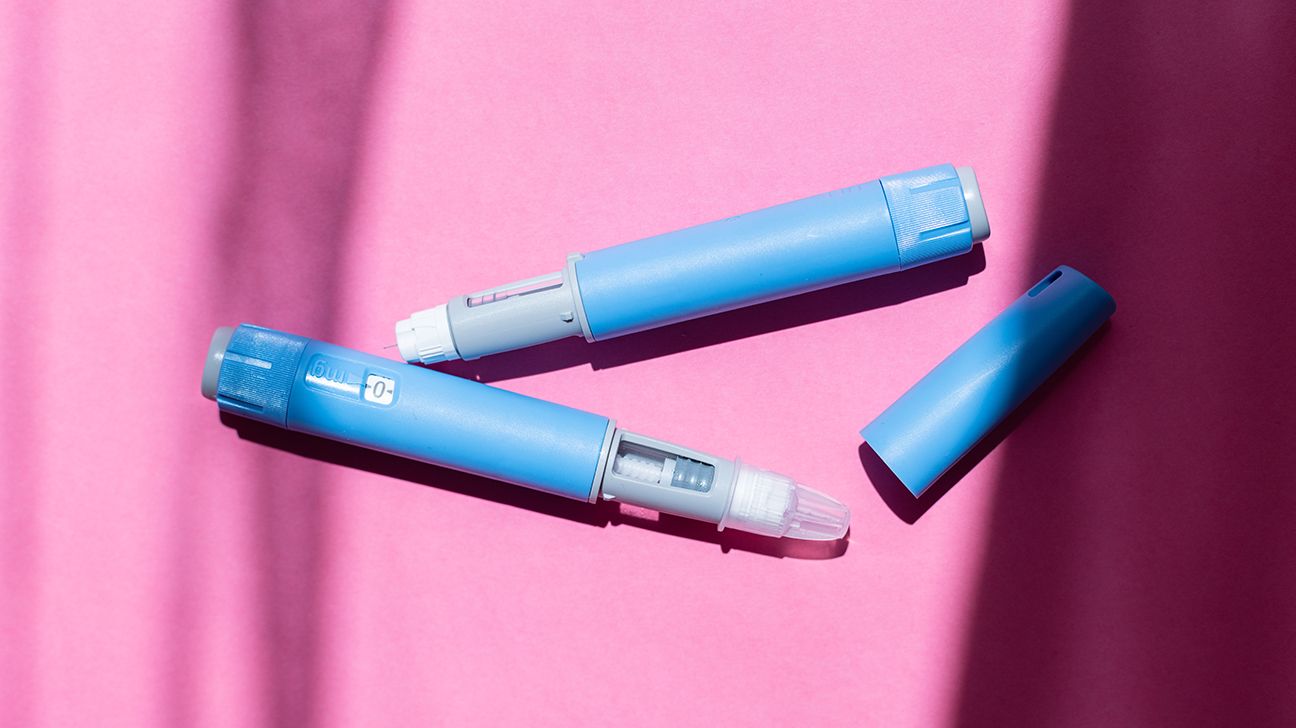
If you administer Ozempic, you may notice your pen looks like it has extra medication inside, even after multiple injections. That’s on purpose.
Each pen has built-in extra medication called an overfill. Since you can’t fully empty the cartridge, this ensures you still get every official dose.
When opening a new pen, you should do a one‑time flow check (a test shot) to clear out air bubbles and confirm that the medication can flow through the needle. For step-by-step instructions on how to do this, check out this video on the drug manufacturer’s site.
So, while it looks like you’re leaving liquid behind, that’s just part of the design. It isn’t meant to be used, even if it looks like more is left.
Medical Perspective“Priming a pen‑based delivery device clears air from the needle and confirms that the mechanism is functioning properly, so the first full dose isn’t partially lost to air displacement.
By ensuring the device can consistently push medication through the needle, the flow verification helps make subsequent injections more accurate and reduces the risk of underdosing.
It’s essentially a one‑time verification step that prepares the device for reliable dosing going forward.”
» Read more: What To Expect When Starting a GLP-1
Quotes represent the opinions of our medical experts. All content is strictly informational and should not be considered medical advice.
The number of injections you get from your Ozempic pen depends on your prescribed dose (measured in milligrams [mg]) and your pen size.
Ozempic pens are available with the following doses:
- 0.25 mg or 0.5 mg: The pen contains 2 mg total. You can select either dose until it runs out.
- 1 mg: The pen contains 4 mg, allowing only 1 mg per injection.
- 2 mg: The pen contains 8 mg, allowing only 2 mg per injection.
The pens come preset this way, so you have a fixed number of doses matching your prescription plan.
The easiest way to check is with the dose counter. To do this:
- Turn the dose selector until it stops.
- Look at the number displayed:
- If it stops at your full dose (for example, 1 mg), you still have enough for 1 injection.
- If it stops at a smaller number, the pen doesn’t have enough medication, so it’s time to switch to a new pen.
Never try to “stretch” a pen by combining leftover liquid or using a syringe to pull the liquid from a pen. Switching to a new pen is the best way to guarantee you always get your full, accurate dose.
The following are common questions about Ozempic pens and their answers.
Your pen still looks full because of the built‑in overfill. This overfill ensures consistent dosing, even though some liquid remains in the pen.
No, you only do the flow check once when starting a new pen.
To check whether your pen is empty, turn the dose selector. If it dials to your full dose, you have at least 1 injection remaining. If it stops sooner, the pen is done.
No, the overfill in the pen isn’t for use. Drawing out the extra liquid could lead to unsafe dosing.
Even if your Ozempic pen looks like it’s still full, that’s just the overfill doing its job. The manufacturer designed the pens to give the exact number of safe, accurate doses — no more, no less.
The dose counter can help you determine when the pen is truly empty and when to move on to a new one safely.
If you have additional questions about using Ozempic pens, talk with your doctor or pharmacist. You can also check out this Ozempic overview article for more details.
Disclaimer: While Healthline strives for factual, comprehensive, and current information, this article is not a substitute for a licensed healthcare professional’s expertise. Always consult a doctor before taking or discontinuing any medication. Drug information is subject to change and may not cover all uses, directions, precautions, warnings, interactions, reactions, or adverse effects. The lack of a warning does not guarantee a drug’s safety, effectiveness, or appropriateness for all patients or specific uses. Learn more about our approach to content integrity.