














Key takeaways
- Fluoxetine is a prescription drug used to relieve anxiety-related behaviors in animals, including cats.
- Fluoxetine belongs to the selective serotonin reuptake inhibitor (SSRI) drug class.
- You may be able to save on the cost of the drug for your cat with a savings program.
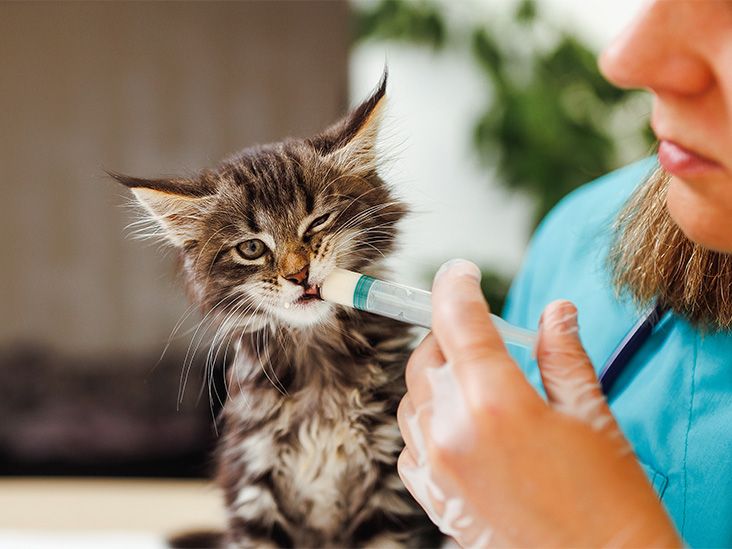
Fluoxetine (known primarly by the brand name Prozac) is a selective serotonin reuptake inhibitor (SSRI) and requires a prescription. It’s used in veterinary medicine to manage various behavioral issues in cats. While it is an antidepressant in humans, for cats, it primarily helps stabilize mood and reduce anxiety-related behaviors.
Common Uses in Cats
Veterinarians may prescribe fluoxetine to treat the following in cats:
- inappropriate urination
- aggression
- compulsive behaviors, such as overgrooming, psychogenic alopecia, or wool sucking
- anxiety disorders, which can include separation anxiety and other conditions
Fluoxetine dosage in cats
Fluoxetine comes in the form of an oral tablet and liquid. Your veterinarian will determine the right dosage for your cat. Typically, you will give your cat the fluoxetine dosage once per day, and it may be taken with or without food.
Fluoxetine is not an immediate-acting drug for chronic behavioral conditions and may take several weeks to show full benefit.
If you miss a dose of your cat’s fluoxetine, give it as soon as you remember. But if it’s almost time for the next dose, skip the missed dose and give your cat the next dose at its regular time. You should not give two doses at once to make up for a missed dose. Doing so could raise the risk of side effects.
If you’re not sure whether you should give a missed dose or skip it, talk with your veterinarian.
Additionally, you should not stop giving your cat fluoxetine suddenly. When it’s time for your cat to stop taking the medication, your veterinarian will recommend a tapering schedule.
Because fluoxetine increases serotonin, it should not be combed it with other drugs that increase serotonin levels or MAO inhibitors without veterinary supervision. Doing so may increase the risk of serotonin syndrome, a condition where serotonin levels become too high. Some symptoms of serotonin syndrome include:
- elevated heart rate
- tremors and shivering
- difficulty breathing
- dilated pupils
- increased blood pressure
- hyperactivity
Disclaimer: This article discusses pet medications. Never use human medications for pets or pet medications for humans; dosages, strengths, and ingredients may differ and can cause serious harm. Always use medications under the guidance of a licensed veterinarian or doctor.
Fluoxetine may cause mild to serious side effects in cats. Your veterinarian can tell you more about the potential side effects of the drug. They can also suggest ways to help reduce side effects.
Side effects of fluoxetine that have been reported include:
Mild side effects
- vomiting and diarrhea
Serious side effects
Serious side effects are uncommon, but they can occur.
- weight loss
- loss of appetite
- increased aggression or anxious behaviors
- insomnia
- blood sugar fluctuations in cats with diabetes
- lethargy
- sleepiness
- anxiety
- restlessness or irritability
- bathroom-use changes
If you have pet insurance, it may cover a part or all of your cat’s medication. To find out if your pet insurance covers your cat’s medication, talk with an insurance representative.
If you don’t have pet insurance, you may need to pay out of pocket for your cat’s medication. Coupons, such as those available at Optum Perks, may be able to help lower the cost of fluoxetine. (Note: Optum Perks is a sister site of Healthline.)
For the best price on your pet’s prescription, you may also want to compare pharmacies. The price of fluoxetine may vary depending on which pharmacy you use, so it can help to compare prices across pharmacies to find the lowest cost.
Your veterinarian may prescribe fluoxetine to relieve your cat’s anxiety-related behaviors. It may cause certain side effects, so your vet will monitor your pet during treatment. You may be able to save on the cost of the drug through pet insurance (if you have it), coupons, and pharmacy comparisons.