














Key takeaways
- Arthritis is a common condition in dogs, causing pain and swelling in the joints and reducing mobility and flexibility.
- Arthritis can be managed with a mixture of home remedies, OTC medications, and prescription treatments.
- Vets might recommend weight management and dietary supplements before prescribing drugs like pain medications, corticosteroids, or joint injections.
Arthritis is a common condition characterized by inflammation, swelling, and tenderness in the joints, and it doesn’t only affect humans — dogs can experience arthritis, too.
Arthritis in dogs can occur due to wear and tear on their joints throughout their life, or it may be caused by other factors, such as genetics, injury, or disease. Its symptoms include:
- limping
- reluctance to move or exercise
- difficulty getting up or down from a lying position
- changes in posture, such as a rounded spine
While there isn’t a cure for arthritis in dogs, there are many treatment methods that veterinarians may recommend.
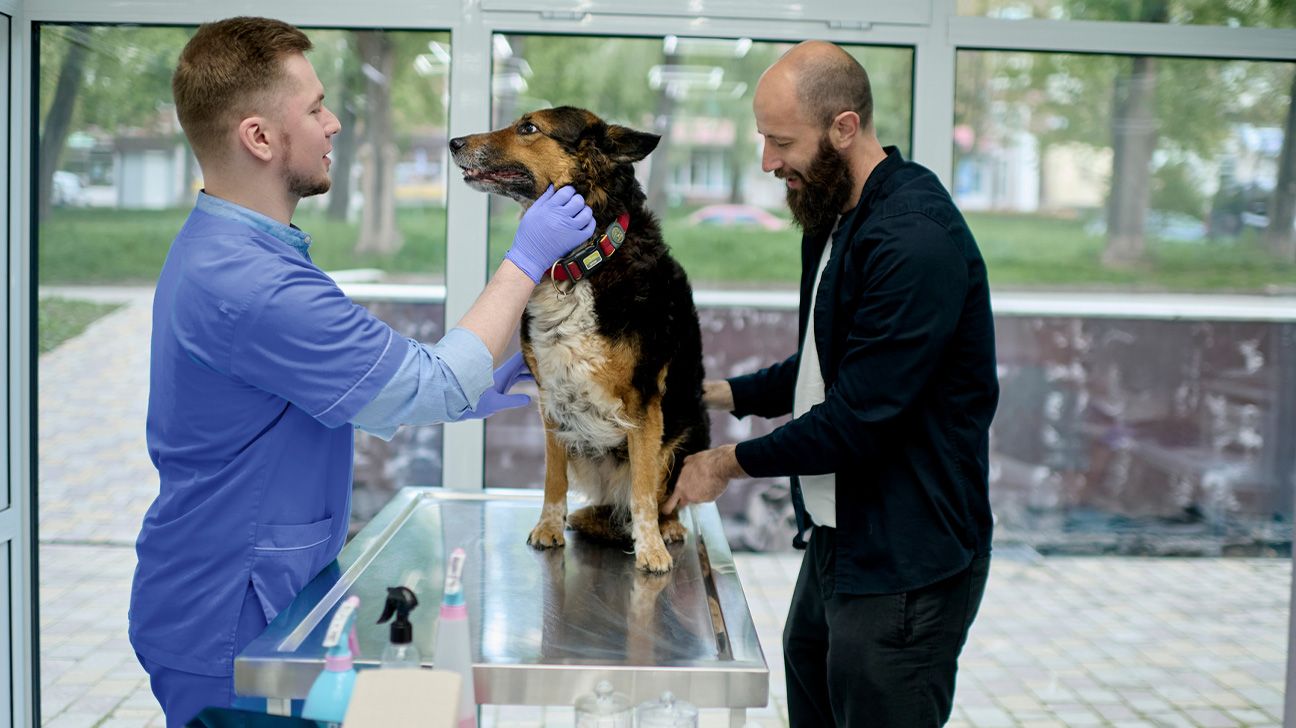
Before recommending or prescribing any medications, vets are likely to suggest you try several home remedies to manage your dog’s arthritis.
Weight management
Obesity can commonly cause or worsen arthritis in dogs due to the increased pressure that it puts on the joints, so vets will often recommend weight management as the first step in reducing symptoms.
Some 2021 research suggests that weight loss can significantly improve lameness (difficulty or inability to use a limb or limb as usual, leading to limping) and overall quality of life in obese dogs with osteoarthritis, the most common form of arthritis in dogs.
Weight management can be achieved by a mix of both nutrition and exercise, so a vet will likely help you work out a diet and exercise regimen for your pet.
Physical therapy
Physical therapy is another option to reduce pain in dogs with arthritis. You will be able to do some of these yourself at home, but others may need professional assistance from a physical therapist.
Physical therapy may involve techniques such as:
- Hydrotherapy: This form of therapy involves using water-based exercises to promote healing, such as controlled swimming sessions or an underwater treadmill.
- Massage therapy: This technique involves massaging the joints to reduce pain and swelling.
- Strengthening exercises: Exercises to strenghten your dog’s muscles can help reduce pain and prevent worsening of the disease. These can be as simple as regular walking, or you might incorporate some resistance training into your dog’s routine.
- Range of motion exercises: These involve gently moving your dog’s joints through their entire range of motion, which can help to improve flexibility and reduce pain and stiffness.
- Cold or heat therapy: This technique involves applying cold or warm compresses to the joints to reduce swelling.
In many cases, medications may be required to manage arthritis in dogs. These may include over-the-counter (OTC) remedies or prescription medications.
Nutritional and OTC remedies
The medications for canine arthritis are generally prescription-only. That said, there are other non-medication remedies that may help — primarily nutritional methods. One nutritional remedy for dogs with arthritis is joint supplements.
Certain dietary supplements may be able to support joint health and prevent worsening of arthritis. Some of the most common joint supplements include:
- omega-3 fatty acids, like fish oil
- glucosamine/chondroitin sulfate-containing agents
- polysulfated glycosaminoglycans, like Polyglycan SA
Vets may recommend joint supplements for dogs even before they show signs of arthritis, particularly large-breed dogs who may be at higher risk.
There are also prescription dog foods that are formulated to help manage arthritis. These can help to manage inflammatory pathways, reducing the swelling and pain seen with arthritis.
Prescription drugs
Sometimes, a vet may determine that prescription medications are required to manage your dog’s condition. These include:
- Nonsteroidal anti-inflammatory drugs (NSAIDs): NSAIDs can be used to reduce pain and swelling in the joints. Examples include meloxicam (Metacam), grapiprant (Galliprant), and topical diclofenac (Venngel One). In humans, NSAIDs are commonly available OTC, but pet NSAIDs require a prescription.
- Stronger pain medications: In some cases, vets may prescribe stronger medications, such as gabapentin or amantadine. However, these drugs aren’t approved by the Food and Drug Administration (FDA) for animals, so this is considered an off-label use.
- Corticosteroids: In some cases, corticosteroid medications may be used to manage canine arthritis, but this is generally a last-resort option due to the risk of side effects. One of the common examples is prednisolone (Prednis-Tab).
- Joint injections: In severe cases with extensive damage to the joints, vets might recommend injections to manage arthritis. These injections commonly contain hyaluronic acid (HA) to improve joint lubrication or synthetic hydrogels like Arthramid to restore joint function. Other examples include stem cell therapy and platelet-rich plasma.
- Other injectable medications: Some medications are not injected into the joints, but can still help manage arthritis. One common example is polysulfated glycosaminoglycan (Adequan Canine), which helps to repair cartilage and increase joint lubrication. Another example is monoclonal antibodies like bedinvetmab (Librela).
A note on safety:
Do not use human medications for pets or pet medications for humans, as dosages, strengths, and ingredients may be different and can lead to serious harm. Always use medications under the guidance of a licensed veterinarian or doctor.
Optum Perks is owned by RVO Health. By clicking on this link, we may receive a commission. Learn more.
In the most severe cases, vets might recommend surgery for your dog. These surgeries include:
- Joint replacement: This involves replacing a damaged joint with an artificial one. This can reduce pain and improve overall mobility.
- Joint fusion: This involves fusing the bones in a certain joint. This removes pain, but it also eliminates all movement in that joint.
- Excision arthroplasty: This involves removing part of an affected joint to create a false joint that is filled with scar tissue.
- Corrective surgeries: If your dog’s arthritis is caused by an underlying problem with their anatomy, some corrective surgeries can reduce the risk of these problems damaging the joints and leading to arthritis.
Arthritis is a common condition in dogs, especially as they get older, due to the natural wear and tear on their joints. There are many ways you can treat canine arthritis.
The first recommendation for dogs with arthritis is usually weight loss. Obesity is a common contributor to arthritis, so maintaining a moderate weight through diet and exercise can help reduce pressure on the joints. Physical therapy may also help reduce pain and swelling.
Dietary supplements may be used to support joint health, and these are usually available OTC.
In many cases, prescription medications may be used to manage arthritis. Always speak with a vet to get prescriptions, and never give your dog medications intended for humans.
Arthritis has no cure, but its symptoms may be successfully managed with a combination of these treatment methods.
Disclaimer: Healthline has made every effort to make certain that all information is factually correct, comprehensive, and up to date. However, this article should not be used as a substitute for the knowledge and expertise of a licensed healthcare professional. You should always consult your doctor or another healthcare professional before taking any medication. The drug information contained herein is subject to change and is not intended to cover all possible uses, directions, precautions, warnings, drug interactions, allergic reactions, or adverse effects. The absence of warnings or other information for a given drug does not indicate that the drug or drug combination is safe, effective, or appropriate for all patients or all specific uses.