














What is the smallest step I can take right now to move forward? I can start with this one thing and build on it. Repeating this and developing other healthy habits has helped me lower my A1C by nearly 1%.
My endocrinologist always asks me a single question every time I’m at an appointment: What 1 thing can I do today to help you?
That may seem like a simple question that’s easy enough to answer.
But it’s one that I often struggle to answer. In large part, that’s because I haven’t fully explored different aspects of my diabetes management plan and how small steps can make big differences.
I began pondering this topic more deeply at a recent doctor’s appointment as an exercise in identifying and implementing healthy habits.
Research shows that healthcare professionals often note how habit-forming can benefit health and that small, tangible changes can help people become more empowered to establish a routine and do better, including for people with diabetes.
The idea is to take a simple step each day or week to better manage my blood sugars and diabetes overall.
What is the smallest step I can take right now to move forward? I can do this 1 thing, and then build on it.
I started out with one habit, and over the course of a couple of months, I leaned into several others that had become part of my daily routine.
Here is a look at those healthy habit changes I’ve made, or at least started to make in my life.
| Habit | Goal | Blood sugar effect |
|---|---|---|
| 1 more blood sugar check per day | Doesn’t matter when. Just do an additional check to establish a routine. | This is more of a holdover for when I’m not using a CGM, but am doing fingerstick blood sugar checks. |
| Write down the results | Tracking blood sugar results by hand helps solidify the habit and importance. | Keeps me accountable and able to recognize patterns, trends to take action on. Empowers me to focus on my blood sugar levels. |
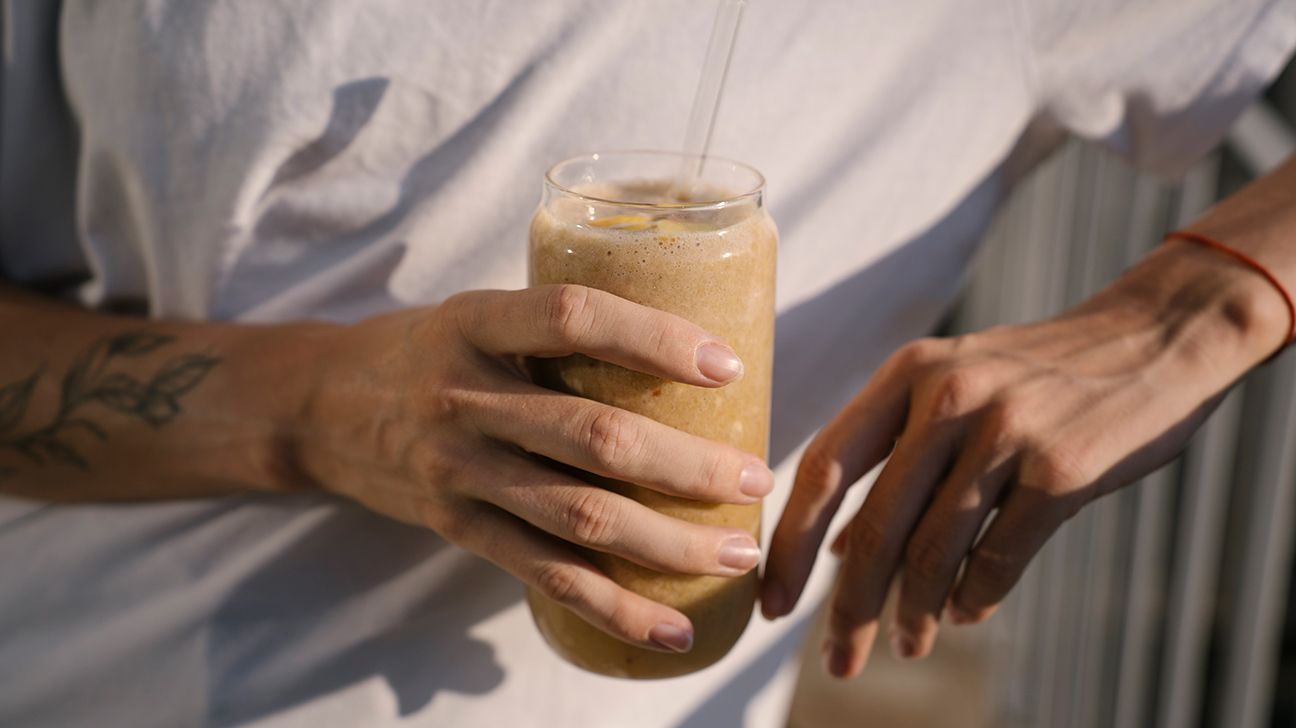
| Breakfast tone-setting | Start with a good source of protein (hard-boiled egg, Greek yogurt, cottage cheese) and fiber to limit refined carbohydrates. I add chia seeds or cashews to my protein fiber boost smoothies. | Counters early blood sugar rise to get through the first part of the day at a more stable diabetes level. |
| Stay moving | Have set my iPhone alarm at least once every 30 to 60 minutes during the workday, reminding me to stand up, stretch, or walk for at least 2-3 minutes. Read somewhere this is a “movement snack” to help get the blood flowing and to balance blood sugars. | I read somewhere that this is a “movement snack” that helps get the blood flowing and balances blood sugars. |
| Evening snacking | The evening hours are when I like to snack. Have traded chips and carby foods for pre-portioned veggies and low carb snacks. | The evening hours are when I like to snack. Have traded chips and carb-heavy foods for pre-portioned veggies and low carb snacks. |
| Respect the yawns* | Get on a sleep schedule and stick with it. Tough one for me that is a work in progress, but going to bed by 11:30pm each night is a goal. | Stress hormones can elevate blood sugar, and too little or poor sleep can affect insulin sensitivity and blood sugar management. |
| Embrace support | Ask my partner to observe: When my BGs are in range after a meal, what did I eat? What foods did I eat when my BGs were higher? When I do X or Y, what happens to my BG? | More eyes the merrier. I’ve recognized patterns that I might not have otherwise noticed on my own. Has helped me take actions to change my behaviors, diabetes management routine. |
Any single one of these steps can be the difference.
That’s how it was for me.
1.) Monitoring written diabetes data
I started writing down my CGM results on paper. It was a little annoying at first, especially knowing that I could simply glance at my CGM smartphone app for a single reading or a breakdown of different diabetes data patterns over time.
But it came down to accountability for me, knowing that I was keeping a close eye on my blood sugar numbers and understanding what they meant.
2.) Motivated to start right
This led me to want to keep my CGM readings in range and to turn my attention to other aspects of my life and diabetes management.
I noticed higher blood sugar levels in the morning. This was in part due to my dawn phenomenon, which spiked my blood sugars along with the morning boost of caffeine from cups of coffee. But it was also tied to my breakfast, whether it was a full banana, muffins, or toast.
3.) Eating habit changes
This motivated me to limit my carbs, at least beyond a half cup of berries or half a banana in my protein fiber boost smoothie. After a week or two, I noticed this routine had helped level out my glucose readings through the lunch hour in a way I hadn’t noticed before.
That set me on a course to do even more.

RECIPE FOR A HEALTHY HABIT
Homemade fiber boost smoothie
Check out the recipe for this homemade start to the morning.
4.) Moving toward more
My changes ranged from taking a work break to stand up, using my office treadmill, or walking the dog every half hour or full hour. Even if I was only moving or stretching for a few minutes or sitting on an office treadmill desk during a work video meeting, it was movement that I hadn’t had before.
5.) Snacking on success
Eventually, I tackled my snacking habits in the evening hours when my blood sugar levels were consistently higher and lasted through the middle of the night.
6.) Finding support and encouragement
It also led me to pull my family into the challenge, to help me observe different habits or effects that could lead to even more change.
My sleeping habits are a bit all over the place, and it shows in my glucose data overnight.
Even with the other habits formed, routines established, and diabetes outcomes affected, there is more to do. I am pressing forward on establishing and respecting my yawns — in the name of diabetes management.
Overall, my A1C level dropped from 8.1% at the start of the year to 7.3% in October.
My goal for the end of the year or start of 2026 is to get back below 7%, which is the recommended target by diabetes guidelines.
This all began with just one healthy habit, implemented over the course of one week, a single day at a time.
The lesson is this: By consistently applying these manageable changes for one week, it’s a path toward building powerful habits that can be foundational stepping stones for long-term blood sugar management and better diabetes health.
Health and wellness touch everyone’s life differently. This is one person’s story. The views and opinions expressed are those of the speaker and do not necessarily reflect the views or positions of Healthline Media.
Mike Hoskins is an engagement editor at Healthline. Prior to that, he was managing editor at DiabetesMine. He has lived with type 1 diabetes since age 5 in 1984, and his mom was also diagnosed with T1D at the same young age.
With a journalism degree from Oakland University in Michigan, Mike has over two decades of experience at various daily, weekly, and specialty print and digital media publications. He joined DiabetesMine in 2012, after several years of writing his own personal diabetes blog.