














Key takeaways
- Trintellix is primarily used to treat major depressive disorder, and while it may be prescribed off-label for other conditions like anxiety or ADHD, its effectiveness and safety for these uses are still being researched.
- Although Trintellix doesn’t typically cause side effects like weight gain, sleepiness, or hair loss, it’s important to be aware of potential sexual side effects, nausea, and the risk of withdrawal symptoms if the medication is stopped abruptly.
- Before starting Trintellix, discuss any existing medical conditions and all medications you’re taking with your doctor to ensure that this is a safe and appropriate treatment option for you and to avoid potential interactions.
Trintellix contains the active drug ingredient vortioxetine and belongs to a class of drugs called antidepressants. It comes as a tablet you take by mouth.
At this time, Trintellix is only available as a brand-name drug. It isn’t available as a generic medication.
Note: Trintellix has a boxed warning about the possible risk of suicidal thoughts and behaviors. A boxed warning is the most serious warning from the Food and Drug Administration (FDA). For details, see the “Side effects of Trintellix” section.
Read on to learn about Trintellix’s side effects, dosage, and more.
Trintellix is used in adults to treat major depressive disorder (MDD), which is also referred to as depression.
A person with MDD feels sad or depressed for a prolonged period of time. Symptoms may include:
- ongoing sadness or hopelessness
- changes in your sleep pattern, such as insomnia or sleeping more than usual
- losing interest in activities that used to make you happy
- anxiety
It’s thought that people with depression may have a lower amount of a chemical called serotonin in their brain. Though it’s not known exactly how Trintellix works to treat depression, it’s believed to increase serotonin and its activity in your brain.
Trintellix images
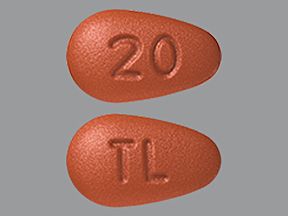
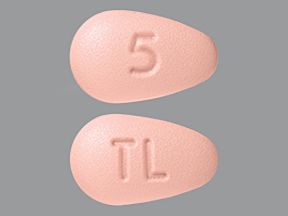
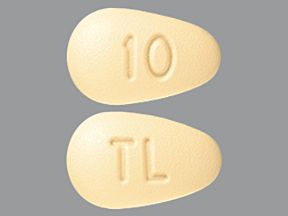
Like most drugs, Trintellix may cause mild to serious side effects. The following lists contain some of the more common side effects Trintellix may cause, but they don’t include all possible side effects.
Keep in mind that side effects of a drug can depend on your age, other health conditions you have, and other medications you take.
For more information about potential side effects of this medication, talk with your doctor or pharmacist, or check out this Trintellix side effects article.
Note: After the Food and Drug Administration (FDA) approves a drug, it tracks and reviews side effects of the medication. Sharing your experience helps make medications safer for everyone by giving doctors and researchers more information about how the drug works in real life. If you develop a side effect while taking Trintellix and want to tell the FDA about it, visit MedWatch or call 800-FDA-1088.
Mild side effects
Here’s a short list of some of the mild side effects Trintellix can cause. To learn about other mild side effects, talk with your doctor or pharmacist, or read the drug’s prescribing information.
Mild side effects of Trintellix that have been reported include:
- diarrhea
- constipation
- unusual dreams
- dizziness
- dry mouth
- itching
- nausea and vomiting (for more information, see the “Side effect focus” section)
Mild side effects of many drugs may go away within a few days to a couple of weeks. But if they become bothersome, talk with your doctor or pharmacist.
Serious side effects
Serious side effects from Trintellix can occur, but they aren’t common. If you have serious side effects from this drug, call your doctor right away. But if you think you’re having a medical emergency, call 911 or your local emergency number.
Serious side effects of Trintellix that have been reported include:
- serotonin syndrome (high levels of the chemical serotonin)
- bleeding
- closed-angle glaucoma, an eye condition
- low sodium level in your blood
- sexual side effects, such as low libido
- allergic reaction
- boxed warning: risk of suicidal thoughts and behaviors
For more information about some of these side effects, including the drug’s boxed warning, see the following “Side effect focus” section.
Side effect focus
Learn more about some of the side effects Trintellix may cause.
Boxed warning
Trintellix has a boxed warning. This is the most serious warning from the FDA. It alerts doctors and patients about drug effects that may be dangerous.
Risk of suicidal thoughts or behaviors: Although rare, it’s possible for antidepressants such as Trintellix to cause suicidal thoughts and actions in people ages 18 to 24 years. (Trintellix is not recommended for use in children at this time.)
What might help
Before starting Trintellix, tell your doctor if you have a history of depression or suicidal thoughts or behaviors. They may monitor you more often for mood changes, especially when you start taking Trintellix or when your dosage changes.
While you’re taking this medication, your family or friends should also watch for changes in your mood or suicidal thoughts or behaviors. They should let you and your doctor know of any changes they notice as soon as possible.
If you do have suicidal thoughts or behaviors during Trintellix treatment, tell your doctor right away. They may recommend changing your medication.
Help is out there
If you or someone you know is in crisis and considering suicide or self-harm, please seek support:
- Call or text the 988 Suicide and Crisis Lifeline at 988 or chat at 988lifeline.org. Caring counselors are available to listen and provide free and confidential support 24/7.
- Text HOME to the Crisis Text Line at 741741 to connect with a volunteer crisis counselor for free and confidential support 24/7.
- Not in the United States? Find a helpline in your country with Befrienders Worldwide.
- Call 911 or your local emergency services number if you feel safe to do so.
If you’re calling on behalf of someone else, stay with them until help arrives. You may remove weapons or substances that can cause harm if you can do so safely.
If you’re not in the same household, stay on the phone with them until help arrives.
Sexual side effects
Sexual side effects often occur from taking antidepressants such as Trintellix, and they can affect both males and females.
Examples of sexual side effects that Trintellix may cause include:
- low libido (sex drive)
- an orgasm or ejaculation that takes longer than usual
- inability to have an orgasm or ejaculate
- erectile dysfunction
Note: The use of binary terms such as “male” and “female” in this article reflects the language of the sources we’ve used. Unless otherwise noted, it’s unclear whether the research we reference included participants with expansive gender identities.
What might help
If you develop any sexual side effects from taking Trintellix, talk with your doctor. They may be able to recommend treatment options to decrease your sexual side effects.
Nausea and vomiting
You may experience nausea and vomiting while taking Trintellix. In studies, these two side effects commonly occurred in people taking the drug.
What might help
Some side effects may lessen as you continue taking Trintellix. For example, in the drug’s studies, nausea usually lasted for about 2 weeks. But in some people, this side effect lasted longer.
If you’re experiencing nausea or vomiting from taking Trintellix, talk with your doctor. They may be able to recommend ways to relieve these side effects or they may recommend that you take another medication to avoid these side effects.
Allergic reactionSome people may have an allergic reaction to Trintellix.
Symptoms of a mild allergic reaction can include:
A more severe allergic reaction is rare but possible. Symptoms of a severe allergic reaction can include swelling under your skin — typically in your eyelids, lips, hands, or feet. They can also include swelling of your tongue, mouth, or throat, which can cause difficulty breathing.
Call your doctor right away if you have an allergic reaction to Trintellix. But if you think you’re having a medical emergency, call 911 or your local emergency number.
Find answers to some commonly asked questions about Trintellix.
Are reviews available from people who’ve taken Trintellix?
While the manufacturer doesn’t have reviews on its website, it does feature first-person testimonials. Learning about the experiences of others who’ve taken Trintellix may help you decide whether the drug is right for you.
It’s important to note that everyone’s body responds differently to medications. You can’t reliably predict how your body will react to a treatment based on someone else’s experience.
Is Trintellix used for anxiety, ADHD, OCD, or bipolar disorder?
Not at this time. Trintellix is only used to treat major depressive disorder (MDD). It’s not used to treat anxiety, attention deficit hyperactivity disorder (ADHD), obsessive-compulsive disorder (OCD), or bipolar disorder. It’s not known whether the drug is a safe or effective treatment option for these conditions.
However, your doctor might recommend taking Trintellix off-label for any of these conditions except for bipolar disorder. (Off-label use is when a drug is prescribed for a condition it hasn’t been approved to treat.)
Studies suggest that Trintellix may be effective for treating
If you’re interested in taking Trintellix off-label, talk with your doctor.
Does Trintellix cause weight gain, sleepiness, headache, insomnia, or hair loss?
No, you shouldn’t have these side effects from taking Trintellix.
In studies of people taking Trintellix, no major changes in weight were reported. But other antidepressants, such as amitriptyline, may cause weight gain. And although Trintellix doesn’t cause hair loss, this can be a side effect of other antidepressants, such as fluoxetine (Prozac).
Sleepiness, headache, and insomnia also aren’t reported side effects of Trintellix. But you may develop these symptoms if you suddenly stop taking Trintellix. (This is referred to as discontinuation syndrome.) So it’s recommended that you do not stop taking Trintellix without first talking with your doctor.
If you need to stop taking Trintellix, your doctor will likely recommend that you slowly stop taking it over time. This will allow your body to adjust, so you’re less likely to have these side effects.
If you’re experiencing weight gain, sleepiness, headache, insomnia, or hair loss during your treatment with Trintellix, talk with your doctor. They may be able to determine what’s causing these symptoms and suggest the right treatment options to address them.
Is Trintellix an SSRI?
No, Trintellix isn’t a selective serotonin reuptake inhibitor (SSRI). These drugs work by increasing serotonin levels in your brain. Although Trintellix is an antidepressant and does affect serotonin levels, it’s not considered an SSRI. Trintellix’s mechanism of action (how it works) to treat depression isn’t completely understood.
Will I have withdrawal symptoms from stopping Trintellix?
It’s possible that you may have withdrawal symptoms, also called discontinuation syndrome, if you suddenly stop taking Trintellix. This was reported in people who were taking 15 milligrams (mg) to 20 mg of Trintellix daily. Symptoms may include:
- nausea
- sweating
- changes in mood, such as irritability, agitation, anxiety, or feeling more emotional
- dizziness
- “pins and needles” feeling in your arms, legs, hands, or feet
- tremor
- confusion
- headache
- sleepiness
- insomnia
- seizures
- ringing in your ears
- hypomania (a milder form of mania)
It’s possible to lessen or avoid withdrawal symptoms when stopping Trintellix by slowly reducing your dose over time. If you need to stop taking Trintellix, talk with your doctor about the best way to do so.
Is Trintellix a controlled substance?
No, Trintellix isn’t a controlled substance (a medication regulated by the federal government). In most cases, controlled substances can be misused and may even cause dependence. Misuse is taking a medication in a different way than how it was prescribed. Dependence is when you need to take a medication to function as usual.
Most medications used to treat depression aren’t controlled substances.
The following information is about commonly used dosages of Trintellix, but always take the dosage your doctor prescribes. They’ll determine the dosage that’s right for you.
Form and strengths
Trintellix is available as a tablet that you take by mouth. It comes in strengths of 5 milligrams (mg), 10 mg, and 20 mg.
Recommended dosages
You’ll take this medication by mouth once daily. Your doctor will determine the best dose of Trintellix for you to take. They may start you on a dose and then increase or decrease it based on how well the drug is working for you.
Questions about Trintellix’s dosage
Here are answers to a few questions about taking Trintellix.
- Can Trintellix be chewed, crushed, or split? The manufacturer of Trintellix doesn’t make any recommendations on whether the drug can be chewed, crushed, or split. If you’re having difficulty swallowing your Trintellix tablet, talk with your doctor or pharmacist. You can also check out these tips for swallowing pills.
- Should I take Trintellix with food? You can take your dose of Trintellix with or without food.
- Is there a best time of day to take Trintellix? You can take Trintellix in the morning or at night, but try to take it at about the same time each day. This helps to keep a steady level of the drug in your system.
- What if I miss a dose of Trintellix? If you miss your dose of Trintellix, talk with your doctor or pharmacist about the best time to take your next dose. In some cases, they may recommend taking your dose as soon as you remember. Or they may recommend skipping your missed dose and taking your next dose as scheduled.
- Will I need to take Trintellix long term? If Trintellix is working to treat your depression, your doctor will likely recommend that you take it long term.
- How long does Trintellix take to work? Trintellix begins working after you take your first dose. However, it can take up to 2 weeks for Trintellix to reach a steady level in your body, so you may not see the maximum benefits of treatment for 2 weeks.
Other drugs are available that can treat your condition. If you’d like to explore an alternative to Trintellix, talk with your doctor. They can tell you about other medications that might work well for you.
The following drugs are similar to Trintellix:
- sertraline (Zoloft)
- escitalopram (Lexapro)
- vilazodone (Viibryd)
- bupropion (Wellbutrin SR, Wellbutrin XL)
- fluoxetine (Prozac)
- venlafaxine (Effexor XR)
- citalopram (Celexa)
To learn more about how these drugs compare, check out the Trintellix vs. other drugs section of this article.
Prescription drug costs can vary depending on many factors, including what your insurance plan covers and which pharmacy you use.
If you have questions about how to pay for your prescription, talk with your doctor or pharmacist. You can also visit the Trintellix manufacturer’s website to see if you’re eligible for any of their support options.
Before starting Trintellix, talk with your doctor about any other medications you take and other medical conditions you may have. This will help them determine if Trintellix may be a safe treatment option for you.
Interactions
Taking a medication with certain vaccines, foods, and other things can affect how the medication works. These effects are called interactions.
Before taking Trintellix, be sure to tell your doctor about all medications you take, including prescription and over-the-counter types. Also, describe any herbs, vitamins, or supplements you use. Your doctor or pharmacist can tell you about any interactions these items may cause with Trintellix.
Interactions with drugs or supplements
Trintellix can interact with several types of drugs. These include:
- monoamine oxidase inhibitors (MAOIs), such as:
- phenelzine (Nardil)
- selegiline (Emsam)
- tranylcypromine (Parnate)
- serotonin-norepinephrine reuptake inhibitors (SNRIs), such as:
- duloxetine (Cymbalta)
- venlafaxine (Effexor XR)
- desvenlafaxine (Pristiq)
- selective serotonin reuptake inhibitors (SSRIs), such as:
- fluoxetine (Prozac)
- citalopram (Celexa)
- escitalopram (Lexapro)
- migraine medications called triptans, such as:
- tricyclic antidepressants (TCAs), such as:
- amitriptyline
- imipramine (Tofranil)
- nortriptyline (Pamelor)
- the pain medications fentanyl (Subsys) and tramadol (Ultram)
- the mood stabilizer lithium (Lithobid)
- the anxiety drug buspirone
- amphetamines, such as:
- amphetamine salts (Adderall XR)
- lisdexamfetamine (Vyvanse)
- blood thinners, such as:
- aspirin
- clopidogrel (Plavix)
- heparin
- warfarin (Jantoven)
- drugs that increase the breakdown of Trintellix, such as:
- rifampin (Rimactane)
- carbamazepine (Tegretol)
- phenytoin (Dilantin)
- drugs that reduce your body’s ability to break down Trintellix, such as:
- bupropion (Wellbutrin SR, Wellbutrin XL)
- fluoxetine (Prozac)
- paroxetine (Paxil)
- quinidine
This list does not contain all types of drugs that may interact with Trintellix.
Trintellix may interact with the herbal supplement St. John’s wort. This supplement can also increase serotonin levels, which in turn may increase your risk of serotonin syndrome, a serious side effect.
Other interactions
Trintellix may cause false positive results for methadone on some urine drug tests. Let your healthcare professional or testing center know that you take Trintellix if you need a drug screen.
Your doctor or pharmacist can tell you more about these interactions and any others that may occur with Trintellix.
Boxed warning
Trintellix has a boxed warning. This is the most serious warning from the FDA. It’s possible for antidepressants such as Trintellix to cause suicidal thoughts or behaviors in people ages 18 to 24 years.
For more information, see the “Side effects of Trintellix” section.
Other warnings
Trintellix may not be right for you if you have certain medical conditions or other factors that affect your health. Talk with your doctor about your health history before taking Trintellix. Factors to discuss include those listed here.
- allergic reaction
- bipolar disorder
- bleeding disorders
- glaucoma or other eye conditions
- low sodium levels in the blood or a condition called syndrome of inappropriate antidiuretic hormone secretion (SIADH)
Trintellix and alcohol
If you drink alcohol while taking Trintellix, you may have an increased risk of certain side effects. For example, both alcohol and Trintellix can cause dizziness, bleeding, nausea, and vomiting. So taking both substances together can increase these risks even more.
If you want to drink alcohol during Trintellix treatment, talk with your doctor about how much, if any, is safe for you to consume.
Pregnancy and breastfeeding
If you can become pregnant or are breastfeeding, it’s important to consider whether Trintellix is a safe choice for you and your child. You can refer to this Trintellix reproductive health article for more information.
If you have additional questions, talk with your doctor.
Do not take more Trintellix than your doctor prescribes, as this can lead to serious side effects.
Symptoms of overdose
Symptoms caused by an overdose can include:
- nausea
- dizziness
- diarrhea
- stomach problems or discomfort
- itching
- sleepiness
- flushing (temporary warmth, redness, or deepening of skin color)
What to do in case you take too much Trintellix
Call your doctor if you think you’ve taken too much Trintellix. You can also call 800-222-1222 to reach America’s Poison Centers or use its online resource. However, if you have severe symptoms, immediately call 911 or your local emergency number, or go to the nearest emergency room.
Disclaimer: Healthline has made every effort to make certain that all information is factually correct, comprehensive, and up to date. However, this article should not be used as a substitute for the knowledge and expertise of a licensed healthcare professional. You should always consult your doctor or another healthcare professional before taking any medication. The drug information contained herein is subject to change and is not intended to cover all possible uses, directions, precautions, warnings, drug interactions, allergic reactions, or adverse effects. The absence of warnings or other information for a given drug does not indicate that the drug or drug combination is safe, effective, or appropriate for all patients or all specific uses.